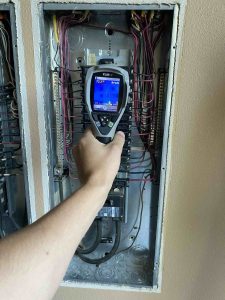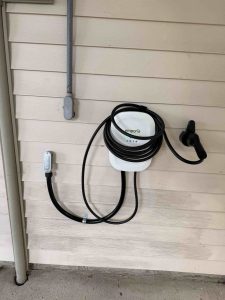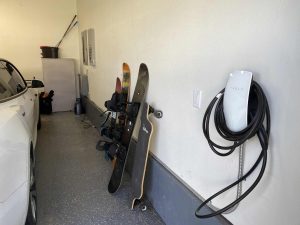
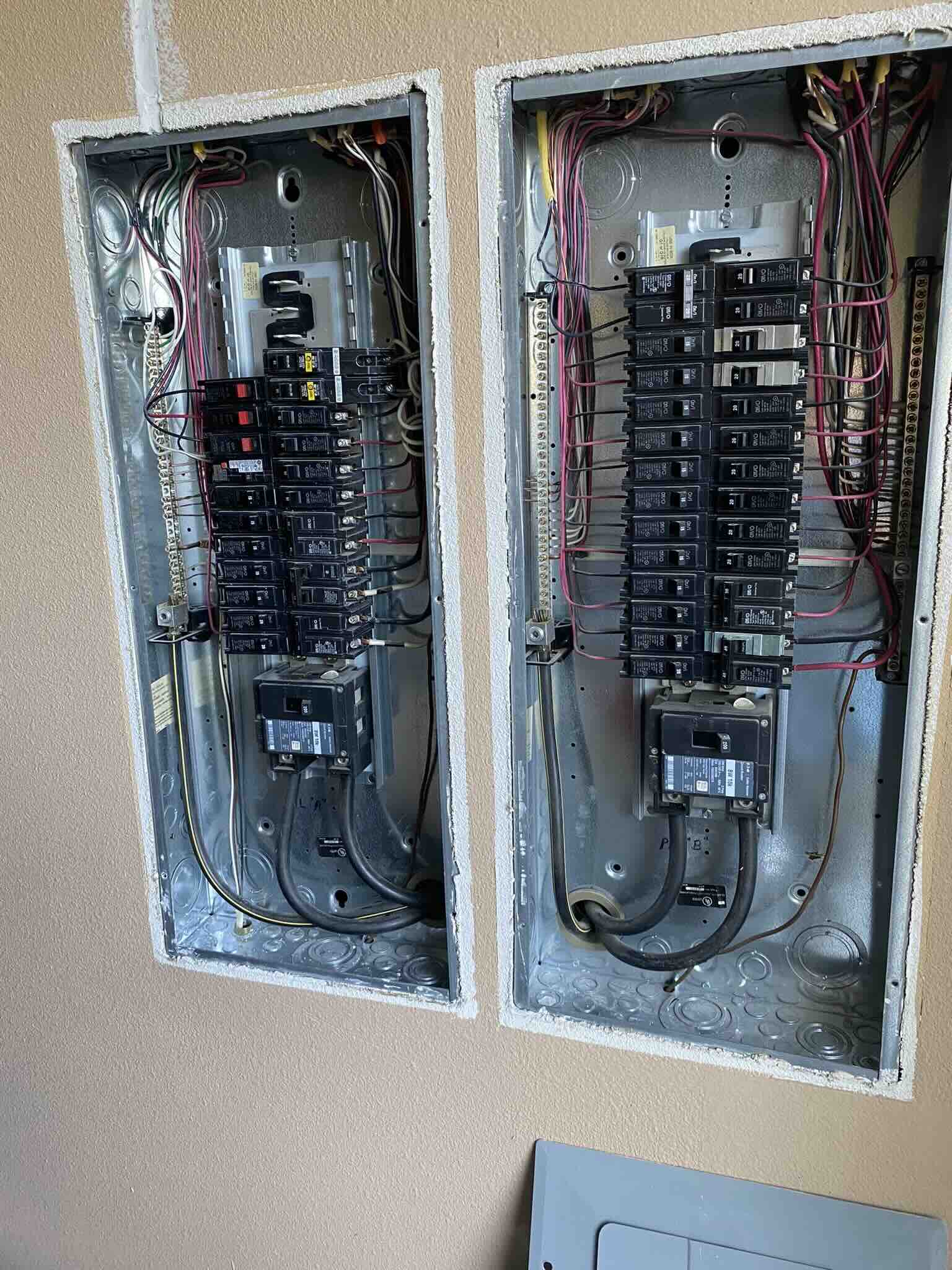
An electrical panel is the most important part of your home. It keeps power flowing and monitors it to prevent overloads and potential safety hazards. There are a few different types of electrical panels, and each one is designed to handle the load capacity and distribution needs of the space where it’s been installed. We’ve compiled a list of the most common panels you may find.
Common Types of Electrical Panels:
Main Breaker Panels
You will likely find a main breaker panel in every home, as they’re the most common type of electrical panel. They’re popular because they can accommodate a variety of circuits.
They act as the central hub of your home’s electrical system and use multiple circuit breakers to manage the flow of electricity.
There are several key components in these panels:
- The main breaker – This controls the power flow to the whole home and protects it from overloads and short circuits.
- Bus bars – These are metal strips that receive electricity from the main breaker before distributing it between individual circuit breakers.
- Branch circuit breakers – These are smaller breakers that manage the flow of electricity to specific circuits designated for outlets, lights, and appliances.
- Safety mechanism – If the breaker heats up because of too much electrical current from an overload or short circuit, or it detects a magnetic surge, it automatically flips off to prevent any damage or a fire.
Main Lug Panels
These are like main breaker panels in every way except the inclusion of a main breaker. Instead, power runs directly to the panel’s circuit breakers.
They are usually used as secondary panels when power needs to be split across multiple areas, and the main shutoff is installed in the primary panel.
The key components of these panels include:
- Main lugs – The terminal point that connects incoming service cables directly to the bus bar.
- Bus bars
- Branch circuit breakers
- Neutral and ground bar – The terminal bar where all neutral (white) and ground (green/bare) are connected.
- Enclosure – The metal box that houses all the components and protects them from environmental factors.
- Dead front covers – The metal shield that encloses the internal wiring, leaving only the circuit breaker handles exposed.
- Knockouts – These are pre-punched holes in the enclosure that enable you to route wires into the panel.
Subpanels
Subpanels are usually found in spaces detached from the main electrical panel – like garages, workshops, or different floors – and operate as smaller electrical panels that receive power from the primary panel. One of their key functions is managing the electrical load efficiently.
Subpanels enable electricians to route power to one location before branching out. This allows circuits to be grouped closer to a point of use (which means better-organized circuits) and helps prevent voltage drop. Plus, there’s no need to upgrade your main panel because subpanels increase the circuit capacity of your home.
The key components of a subpanel include:
- The enclosure (metal)
- Bus bars
- Branch circuit breakers
- Main lugs or main breaker
- Neutral bar – This is a dedicated terminal for connecting neutral wires that must be isolated from the metal enclosure.
- Ground bar – This is a separate terminal for connecting ground wires and must be securely bonded to the metal enclosure.
- Feeder wires – A four-wire feed system from the main panel:
- 2 hot wires
- 1 neutral wire
- 1 ground wire
Load Centers/Fuse Boxes
Fuse boxes were the standard long before circuit breakers came into play, but they are difficult to maintain. When your electrical system is overloaded, a fuse burns out. The box will still function, but you need to fix the blown fuse for the best results. Most fuse boxes can only handle moderate loads, so they’ve been deemed outdated.
The key components in a fuse box include:
- The main switch – This is used to turn off the electricity of the entire home during maintenance or as a safety precaution.
- Fuses – These are automatic protection devices. They contain a thin strip of metal that melts and breaks a circuit when a fault is detected.
- A Residual Current Device (RCD) – This is a critical device that will disconnect the electricity to prevent shocks if a current is leaking to the ground.
- Bus bars
- Fuse holders/enclosure – The casing (metal or plastic) that secures the components and protects against accidental contact.
Load centers distribute electricity throughout the home and house all the branch circuits in one enclosure.
The key components of a load center include:
- The enclosure – A metal box (rated for indoor or outdoor use) that houses all the components.
- A main breaker or main lugs (MLO) – The primary disconnect that protects the entire panel.
- Bus bars
- Circuit breakers – These are individual switches that protect specific branch circuits from overloading.
- Neutral and ground bar
Either option works fine for smaller installations, but keep in mind that modern load centers are safer to use, easier to reset, and code-compliant.
Transfer Switch Panels
These panels are connected both to the power grid and an alternative source of power, like a generator. During a power outage, they will automatically switch to the alternative power source, enabling you to power hardwired devices.
Transfer switch panels are ideal for hospitals – which need a continuous supply of power – and areas that get frequent power outages.
The key components of a transfer switch panel include:
- The switching mechanism – This component physically moves the load from the main power source to a backup generator.
- The control logic/controller – The “brain” of the operation. It monitors voltage and frequency, instructs the generator to start, and initiates the transfer.
- Sensors – These constantly monitor the primary power supply for anomalies.
- Terminals/lugs – These are secure connection points for input lines (from the generator) and output circuits.
- The transfer mechanism/interlock – This prevents hazardous backfeeding by ensuring that the main power source and the backup power source are never connected to the panel at the same time.
- The enclosure – This is usually NEMA-rated protection that guards against environmental elements.
Smart Panels
Smart panels operate similarly to standard electrical panels, and they have the added benefit of allowing you to track how much energy you’re using around your house. They’re best paired with home batteries.
The key components of smart panels include:
- Smart circuit breakers – These are remotely controlled and monitor a circuit’s energy usage. They offer advanced protection and will shut down automatically to prevent damage from overloads.
- Sensors – These monitor voltage, power usage, and current, and constantly feed these measurements to the system to identify any anomalies.
- The communication module – This allows the panel to send data to the cloud and receive commands from the app via Wi-Fi, Ethernet, or Bluetooth.
- Energy management system software – This analyzes data, optimizes your energy usage, and makes it easy to integrate solar or battery storage systems.
- An automation engine – This allows you to set schedules and create rules to automatically manage energy consumption.
Types of Electrical Panels (Quick Overview)
| Panel Type | Main Feature | Typical Use Case | Key Advantage | Limitation |
|---|---|---|---|---|
| Main Breaker Panel | Built-in main disconnect | Most residential homes | Full control with single shutoff | Limited expansion without upgrade |
| Main Lug Panel (MLO) | No main breaker | Subpanels or secondary distribution | Cost-effective for expansions | Requires upstream disconnect |
| Subpanel | Secondary distribution panel | Garages, additions, separate areas | Reduces wiring distance & load strain | Depends on main panel capacity |
| Fuse Box | Uses replaceable fuses | Older homes | Simple design | Outdated, less safe, harder reset |
| Load Center | Modern breaker-based panel | Standard residential/commercial systems | Safer, resettable, code-compliant | May need upgrade for high demand |
| Transfer Switch Panel | Switches to backup power | Homes with generators, hospitals | Automatic power backup | Higher cost and installation complexity |
| Smart Panel | Energy monitoring & automation | Modern energy-efficient homes | Real-time tracking and remote control | Higher upfront cost |
Understanding the different types of electrical panels can help you make better decisions about your home’s electrical system. If you’re planning to upgrade your electrical panel, the MAS Pro team can review your setup, confirm the panel capacity, and complete a safe, code-compliant installation. Contact us today to schedule your consultation.