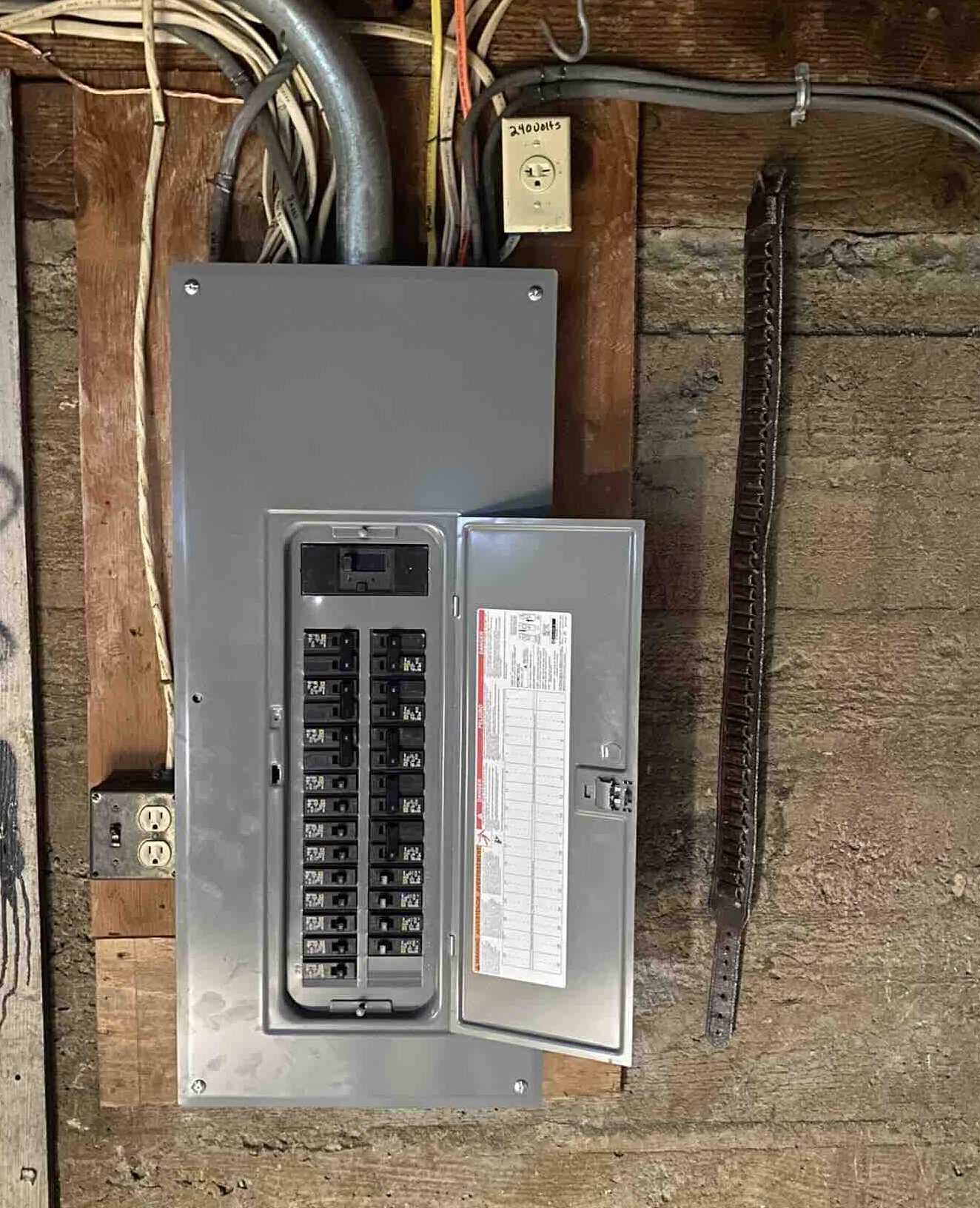
Electrical panels are designed to keep power flowing through your home while also protecting it from overloads. Unfortunately, not all electrical panels are created equal and Federal Pacific panels are particularly hazardous.
What are Federal Pacific Panels?
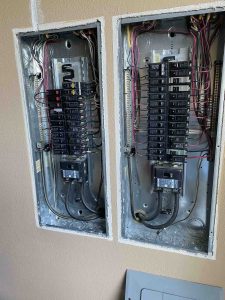
Federal Pacific electrical panels – or FPE panels – were the residential electrical panel of choice for many years. They were affordable, widely available, and easy to install. Most panels used Stab-Lok breakers which would ‘stab’ into slots in the bus bar and ‘lock’ into place.
Unfortunately, their affordability was soon outshone by the problems that started cropping up.
Why are Federal Pacific Panels Considered Dangerous?
Fire Hazards
The danger of Federal Pacific panels is largely due to their breakers.
During an investigation by the Consumer Product Safety Commission, tests found that Stab-Lok breakers were not tripping during overloads or fault conditions. A little over half of the tested breakers – including brand new units – didn’t trip when they were overloaded.
A wire that is allowed to carry an overload of power will overheat, which could damage appliances and even start an electrical fire. In fact, it’s been estimated that the breakers are responsible for 2,800 fires, 13 deaths, and about $40 million in property damage every year.
Breaker Design Flaws
The breaker’s design is also a problem. Even when fitted correctly, a breaker may:
- Have a loose connection to the bus bar, which can cause arcing, overheating, or internal damage to the panel
- Split when placed into a socket
- Be jammed into their sockets, which causes overcrowding on a panel
- Unexpectedly trip when the dead-front cover – which encloses the wiring and the breaker connections – is removed.
Insurance Refusal
Because Federal Pacific panels are known to be faulty, most insurance companies will refuse coverage if your home has one.
Benefits of Upgrading Your Electrical Panel
- Improves the safety of your home: Upgraded electrical panels have more sensitive circuit breakers, which means a faster reaction time:
- Arc fault circuit interrupters (AFCIs) detect electrical arcs.
- Ground fault circuit interrupters (GFCIs) monitor the flow of electricity.
- Increases the capacity and reliability of your electrical panel: A panel with a higher amperage will distribute electrical power throughout your home more evenly, enabling you to power more devices and appliances simultaneously without fear of overloading your panel.
This is especially necessary if you live in an older home and want to add a few powerful appliances to your electrical circuit. - Increases the value of your property: A home that already has an upgraded panel means less work for potential buyers – depending on their electrical needs.
- Reduced insurance premiums: Due to the lower risk of electrical fires, insurance providers may offer reduced premiums. If you’re already being covered, your provider may even reward these upgrades.
- Energy efficiency: The even power distribution of upgraded modern electrical panels increases the efficiency of your power supply.
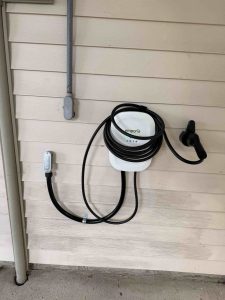
- Future-proofing: An upgraded electrical panel gives you additional breaker space and flexibility for future expansions – such as adding an EV charger.
Replacement Options for Federal Pacific Panels
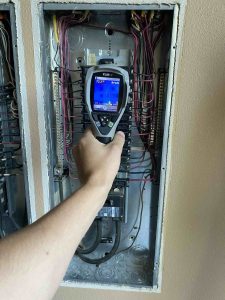
If you have a Federal Pacific panel, the MAS Pro team can evaluate it and guide you through the replacement process.
- A full panel replacement: You need a UL-listed panel that matches or surpasses current electrical codes. Some great options include:
- Square D panels: The reliable and widely available industry standard.
- Eaton (Cutler-Hammer) panels: The robust commercial-grade option that’s great for residential use.
- Siemens panels: The best option for smart home integration.
- Retrofitting: This can be done with an Eaton retrofit kit which will convert your panel to a Bryant (BR) or Cutler-Hammer (CH).
A retrofitted panel can be installed once the faulty unit has been removed. The only disadvantages are the cost and the need to manually install the right number of GFCIs, AFCIs and DFCIs (Dual Function Circuit Interrupters).
Cost of Replacing a Federal Pacific Panel
The average cost for replacing a FPE panel ranges from $1,500 – $4,000, while a standard upgrade from a 100-amp to 200-amp panel ranges from $2,000 – $3,000. However, there are a few factors that may influence these prices further:
- Location of the electrical panel: A difficult-to-reach electrical panel will increase labor time.
- Wiring updates: If your wires have already suffered some damage, or they’re not large enough to handle the amperage of your upgraded panel box, they will need to be upgraded.
- Code corrections: If you’re upgrading an electrical panel in an older home, you may need some additional work done to your electrical system, including:
- AFCI/GFCI breaker requirements
- Grounding system and meter upgrades
If you’re unsure whether your home has a Federal Pacific panel – or you’re just considering a replacement – contact the MAS Pro team for an inspection and a quote.