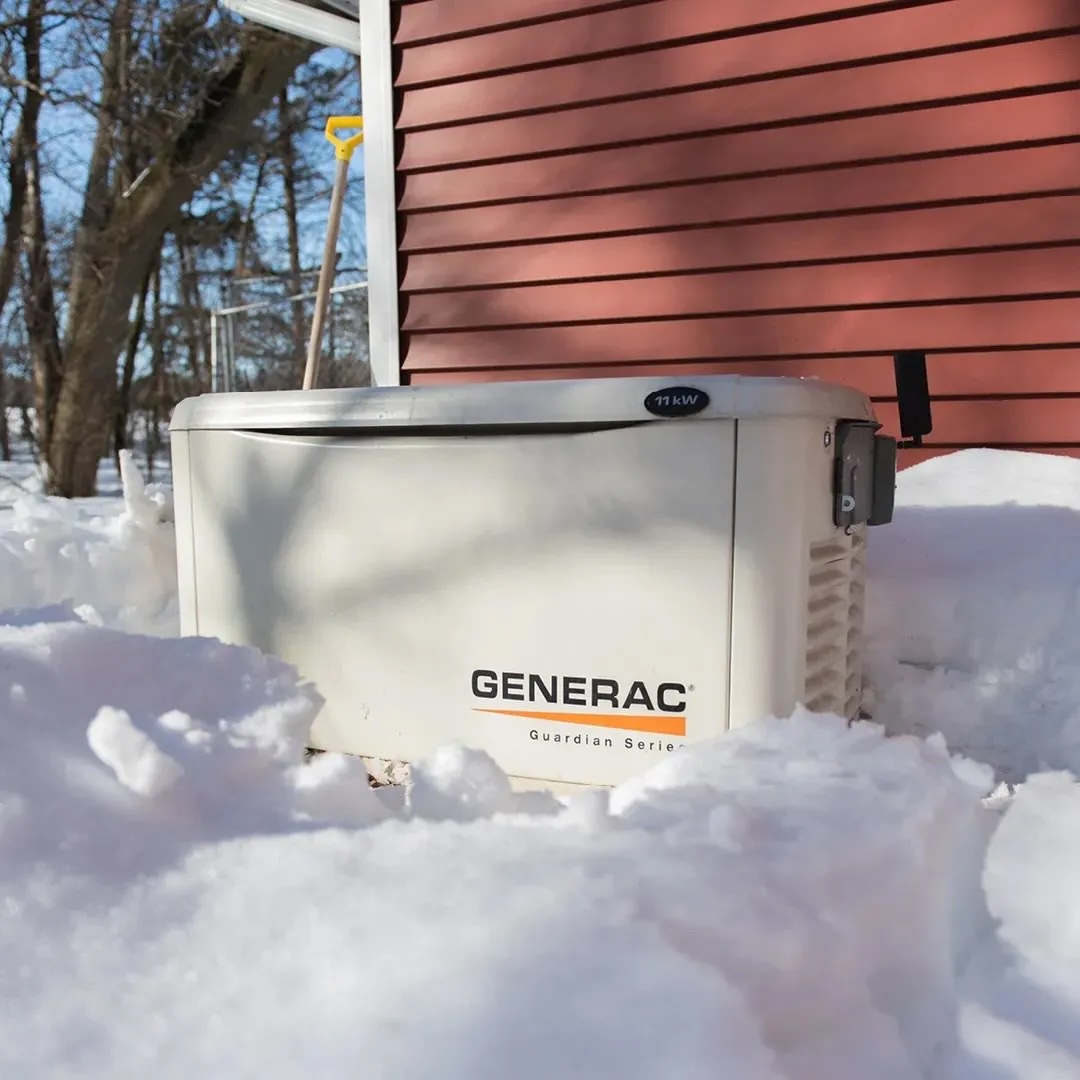
Generator Install Costs: Why the Price Online Is Not the Price Installed
Quick Summary
- Real-world installed pricing commonly ranges from $10,000–$20,000+, depending on site conditions.
- A generator is not plug-and-play — it becomes part of your home’s electrical system.
Smaller generators often require more safety devices called load management modules.
Install cost depends heavily on your home layout, fuel access, and transfer switch placement.
With maintenance, generators behave like engines and can last decades.
The Common Starting Point: “I Saw the Price Online was $8,999”
We get a lot of calls about generators, and no one really knows the cost of installing them. People see the price online and immediately ask what the total cost is going to be.
A lot of homeowners assume the install should be inexpensive.
In many cases the reaction is:
“I thought it would be like a thousand dollars to install.”
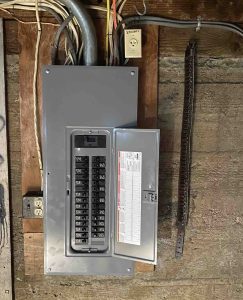
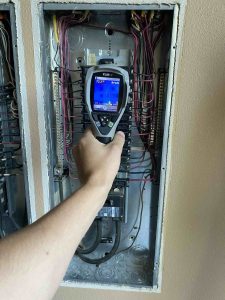
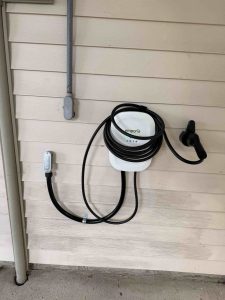
The reality is that a standby generator is not a box you plug into a meter. It becomes a permanently integrated part of your electrical system.
Standby generator is not a box you plug into a meter, it requires estimation.
Can This Generator Power My Whole House?
One of the most common questions we hear is simple: how much power is that, and can this generator power my whole house?
With larger residential generators — for example a 26kW unit — the answer is yes, but there are a lot of variables involved. The final answer depends on your electrical panel size, how much load your home actually draws, the fuel source, and what safety and load management requirements are needed for your system.
Understanding how power works helps clarify why this isn’t a one-size-fits-all answer.
To fully understand if a generator will power your home, we have to first understand how power works and is measured.
How Power Actually Gets Measured (kW → Volts → Amps)
A simple way to estimate generator output is to divide the kilowatts by 240 volts. That gives you the approximate amperage the generator can deliver.
Watts come from volts multiplied by amps. Voltage is what equipment needs to run, while amps represent what the equipment actually draws while operating. That amperage is ultimately what determines how much electrical load a generator can safely support in a home.
This is why generator sizing is tied directly to your electrical system — not just the sticker rating on the unit.
Your Electrical Panel Matters (200A vs 100A Homes)
Most homes today have a 200-amp electrical panel, but some homes still operate on 100-amp panels.
You wouldn’t want to push more amperage into a panel than it’s designed to handle. For example, you wouldn’t want to produce roughly 108 amps into a 100-amp panel. In situations like that, the generator would need to be downsized to stay within safe limits.
This is one of the reasons generator sizing is never truly one-size-fits-all.
Fuel Type Changes Output
Fuel source also affects real-world output.
On propane, a generator may produce its full rated output. On natural gas, output is typically lower. That difference impacts how the generator is sized and what homeowners should realistically expect from the system.
Why Bigger Generators Reduce Headaches
Larger generators are often recommended because they reduce concerns about overloading.
Most people choose the biggest residential unit so they don’t have to worry as much about whether they’re pushing the generator too hard during an outage. Smaller generators can absolutely work — they simply require more planning and more safety controls to manage electrical loads correctly.
Load Management Modules: Why Install Complexity Increases
When generators approach their capacity, load management modules are often required. These are protection devices that automatically shut off large loads — such as ranges or dryers — if the generator begins drawing too much power.
If the generator gets close to its maximum output, the module temporarily shuts down selected circuits. Once the load drops back into a safe range, those circuits can be used again. It’s a built-in safety mechanism designed to prevent overload.
Smaller generators usually require more of these modules. The bigger the generator, the fewer load management modules are typically needed, since it’s less likely the system will be pushed to its limit. This adds cost and complexity on smaller systems.
Why Installed Cost Varies So Much
Every installation is different. That’s why an on-site estimate is always necessary.
Typical installed pricing commonly lands anywhere from $10,000 to $20,000 or even higher, depending on the job. The final cost depends heavily on site conditions and layout.
Fuel availability plays a major role. If natural gas is already nearby, that can save money. If propane needs to be added or extended, costs increase.
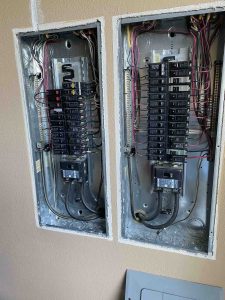
Transfer switch placement also matters. Power must route from the meter into a transfer switch and then back into the main panel. Some homes allow easy placement near the meter, while others require long wire runs across garages or through structures. In some cases, transfer switches have to be mounted on the opposite side of a house, requiring substantial cable routing.
Home layout, access, permitting, and coordination further affect timelines and pricing. This is why accurate pricing can’t be determined without physically seeing the property.
Budget Reality: Matching the Right System
A practical qualifying question is budget.
If the budget is around $5,000, the conversation usually points toward portable generators. Around $15,000 typically fits a middle-of-the-road standby system. Around $10,000 tends to be a gray area — sometimes a smaller standby unit that may not power the entire home.
Another option is installing a subpanel that only powers selected critical circuits during outages. This approach keeps costs down while still providing meaningful backup power where it matters most.
How Long Do Generators Last?
A standby generator behaves like any engine. Maintenance matters, much like maintaining a vehicle.
With proper care, typical lifespan is often in the range of 15–30 years. Usage patterns matter as well. Backup systems that only run occasionally can last much longer, while off-grid systems running continuously experience more wear over time.
A whole-home generator becomes a permanent part of your electrical system, not a plug-and-play appliance. Installed costs commonly range from $10,000–$20,000+ depending on layout, fuel access, and electrical requirements. Smaller systems often need additional safety equipment, while larger systems reduce overload concerns. With proper maintenance, generators can last decades.