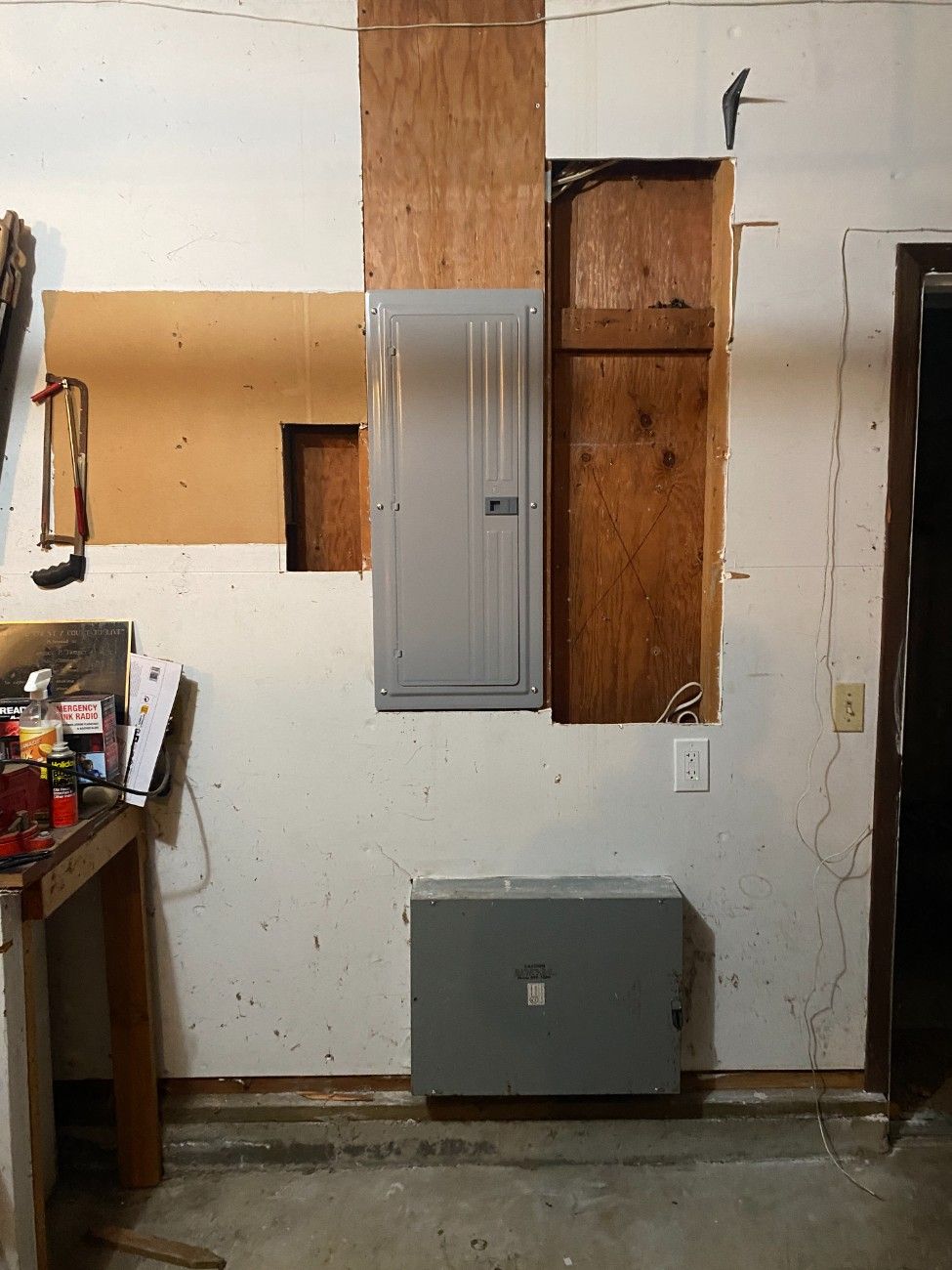
What GFCI protection is meant to do
A GFCI (ground fault circuit interrupter) is a safety device designed to trip when electricity is leaking where it should not. In normal operation, current goes out on the hot conductor and returns on the neutral. If the device detects a mismatch, it assumes that electricity may be escaping to ground and shuts the circuit off. That is why GFCIs are used primarily in areas where water and electricity are more likely to mix.
Where GFCIs usually show up in a home
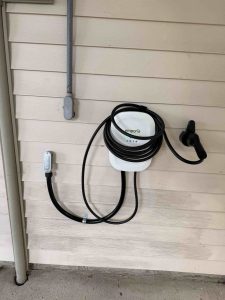
In typical homes, GFCI protection is commonly found in bathrooms, kitchens, and outdoor outlets. In newer homes, it may also be present in garages and laundry areas. Some homes use GFCI outlets at the point of use, while others provide GFCI protection at the breaker in the electrical panel, which protects the circuit from the panel level.
How to test GFCIs in plain terms
For a GFCI outlet, the basic test is pressing the test button to make sure it trips, then pressing reset to restore power. For a GFCI breaker, the test function should trip the breaker, and resetting it usually requires turning it fully off and then back on. If a device will not trip during a test, or will not reset afterward, it should be treated as a replacement situation rather than something to ignore.
Is a typical house actually dangerous
In a modern home, the most serious real world electrical danger is usually electrical fire risk rather than day to day electrocution. That does not mean shock cannot happen, but the biggest high impact problems tend to be tied to heat, failing connections, and conditions that allow arcing or shorting. Issues like loose receptacles, damaged wiring, or panel problems can create heat over time, and heat is one of the ways electrical systems fail in a dangerous way.
When the danger level spikes
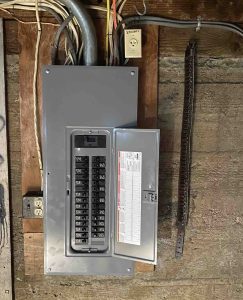
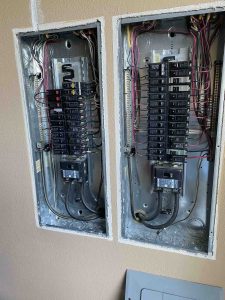
The highest risk situations are usually tied to people getting into areas they should not be working in, especially inside the electrical panel where the main energized components are present. The risk also goes up when there are conditions that allow unwanted contact or damage, like openings in a panel that let pests inside, or DIY and handyman style electrical work that leaves exposed wiring or loose terminations.
What to do if you want a safer baseline
If you want to reduce risk without turning your life into a checklist, the most practical baseline is simple:
- Make sure GFCIs exist where they should
- Test them regularly
- Replace any of them that do not trip or reset correctly
- Keep the panel closed and sealed so nothing can get inside
- Replace loose outlets before they turn into heat problems
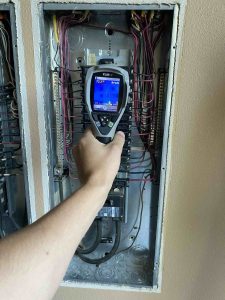
When something feels abnormal, like persistent flickering, that is a good time to have a licensed electrician diagnose it instead of hoping it goes away. If you want a professional second set of eyes, the MAS Pro team can inspect your system and handle any electrical fixes safely and correctly.