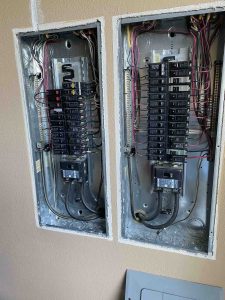
Every homeowner is bound to ask themselves the same question at some point or another: Is my electrical panel safe? And it’s a very valid concern to have. Electrical panel issues aren’t always obvious – especially not at the beginning. A tripped breaker or flickering lights are just minor inconveniences until they become the new norm. That could mean a bigger problem.
Determining If Your Electrical Panel Is Safe
Is It Up to Code?
The National Electrical Code (NEC) is designed to keep homeowners safe from potential electrical hazards and is updated every three years to ensure that the national safety standards keep up with technological advancements.
To ensure your electrical panel is up to code, it must:
- Be easily accessible – An electrical panel should have at least 36 inches of clear working space and be mounted at a height that allows for easy operation for maximum efficiency. It also shouldn’t be installed near water sources or in high-moisture areas.
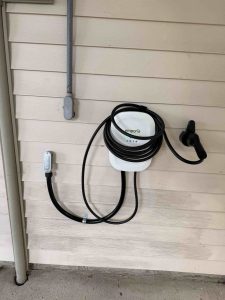
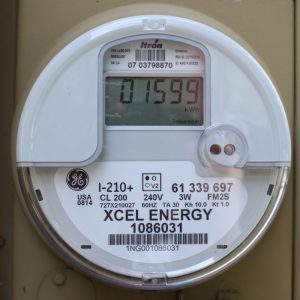
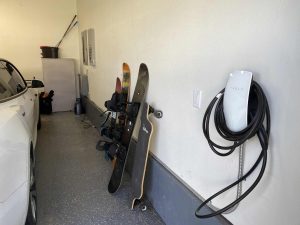
If your panel is installed outside, it needs to be weatherproof and properly ventilated. - Meet your amperage requirements – Your amperage will depend on your power demands. While your home can run at a lower amperage, a 100-amp breaker box is ideal, especially in smaller homes. However, if you have high-energy appliances – like an EV charger – you may need your home to run at 200-amps or even 400-amps.
- Have the correct breaker types and functions – While standard circuit breakers will protect against overloads, AFCIs (Arc-Fault Circuit Interrupters) and GFCIs (Ground-Fault Circuit Interrupters) provide an extra layer of protection against potential shocks and electrical fires.
- Have the correct grounding and bonding principles – While grounding distributes excess electricity safely into the earth, bonding connects metal components to ensure a uniform electrical path and prevent dangerous differences in voltage. Both work to stabilize electrical flow and prevent potentially fatal shocks when done properly.
Which Electrical Panels Are Known Safety Hazards?
Not all electrical panels are equal. Some older panels are such safety hazards that most insurance providers won’t cover the homes they’re installed in. These include:
- Federal Pacific Panels – The Stab-Lok breakers in these panels may fail to trip when a circuit is overloaded.
- Zinsco panels – These panels are riddled with design flaws that can potentially cause electrical fires.
- Older fuse boxes – Older systems don’t meet the current electrical codes and can’t handle high power demands. They’re also major fire and shock risks because they lack RCD (Residual Current Device) protection.
Simple Tests
There are a few simple tests you can do to help assure yourself that your electrical panel is safe:
- Flip each breaker on and off – A functioning breaker will have no issue resetting. If it trips, or doesn’t stay in place, it may be failing and need replacement.
- Examine the panel box for damage – Rust, discoloration, scorch marks, or loose connections are all signs that your panel box overheats or that it has suffered moisture damage.
If anything looks off, it’s time to call professionals – like the MAS Pro team.
Signs Your Electrical Panel May Be Unsafe
If you’re still wondering “is my electrical panel safe?”, there are several warning signs you should watch for. Some may seem small, but they can indicate underlying electrical problems:
- Constant breaker trips and blown fuses – Tripping is normal. It’s what an electrical box is designed to do to protect your home, but if it’s happening constantly, it’s typically a sign of:
- Overloaded circuits,
- Faulty breakers,
- Wiring issues, or
- Your electrical panel is struggling with the electrical load of your home.
- Visible corrosion, rust, or water damage – The last thing a homeowner wants to see is water and electricity existing in the same space. Corrosion and rust interfere with the panel’s ability to function, which increases the chance of a circuit shorting. Water damage near an electrical panel is also just generally a shock hazard.
If there is water damage to your panel, you need to get it inspected immediately. - Humming, crackling, or buzzing sounds – When electricity is flowing smoothly, it won’t make a noise, so if you can hear buzzing, it’s a good indication of:
- Loose wiring or prongs,
- Faulty breakers,
- Fraying wires, or
- Electrical arcing
- Flickering or dimming lights – Light fixtures typically draw very little power, so when they flicker, it’s usually a sign that:
- Circuits are overloaded because of high-energy appliances,
- Wiring connections are loose, or
- The electrical panel is outdated or failing.
- Odd smells or scorched outlets – When outlets smell strange, it’s usually because an electrical component has overheated. This may cause:
- Discoloration around breakers,
- Burned plastic insulation and wires,
- Melted sockets, and
- Scorch marks on the panel.
- Age of the panel and your home – Electrical panels can last for a long time – almost 25–40 years, depending on their quality and how heavily they’re used. If, however, a panel has never been inspected in all the years it’s been in operation, you need to contact an electrician.
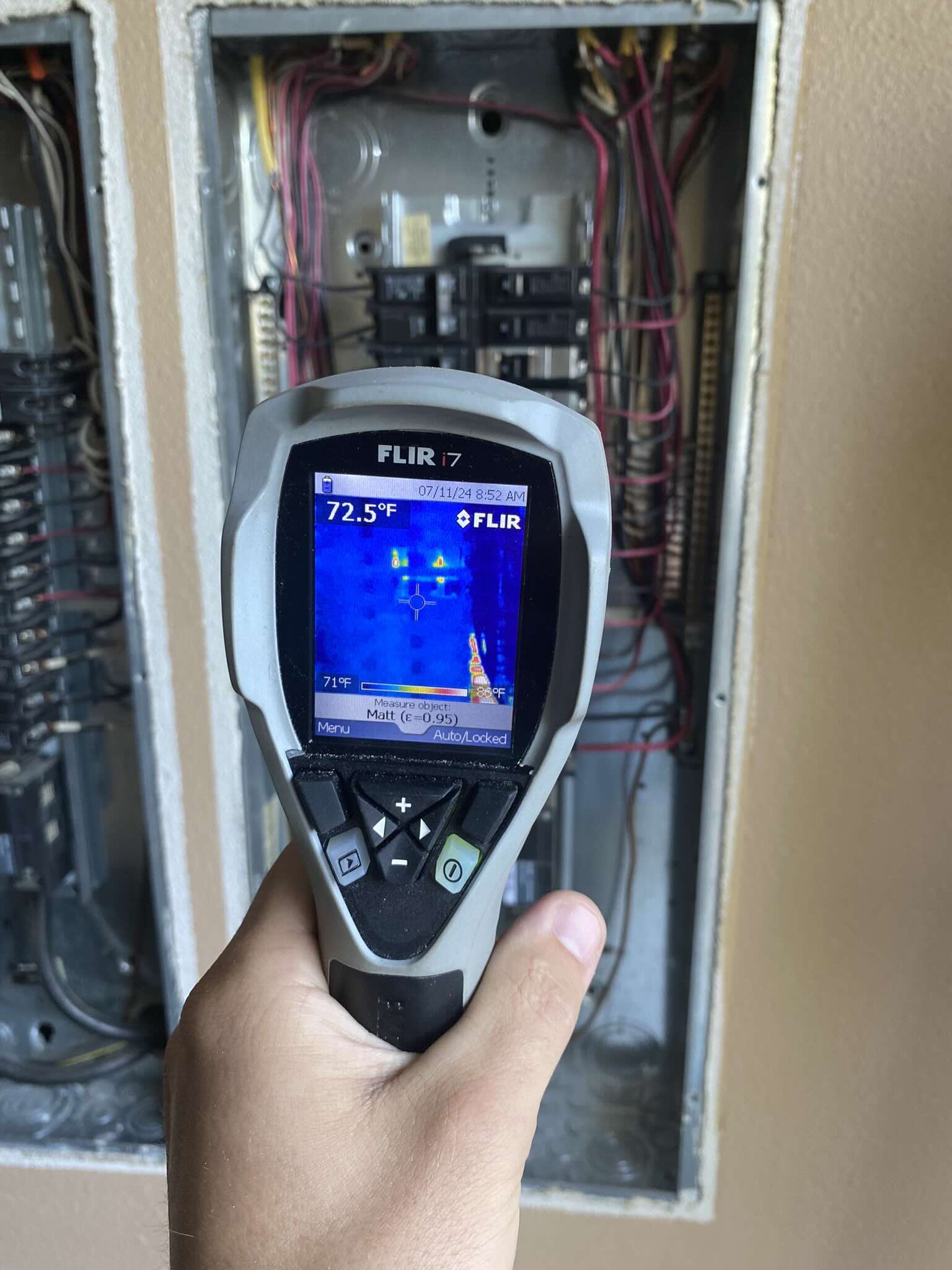
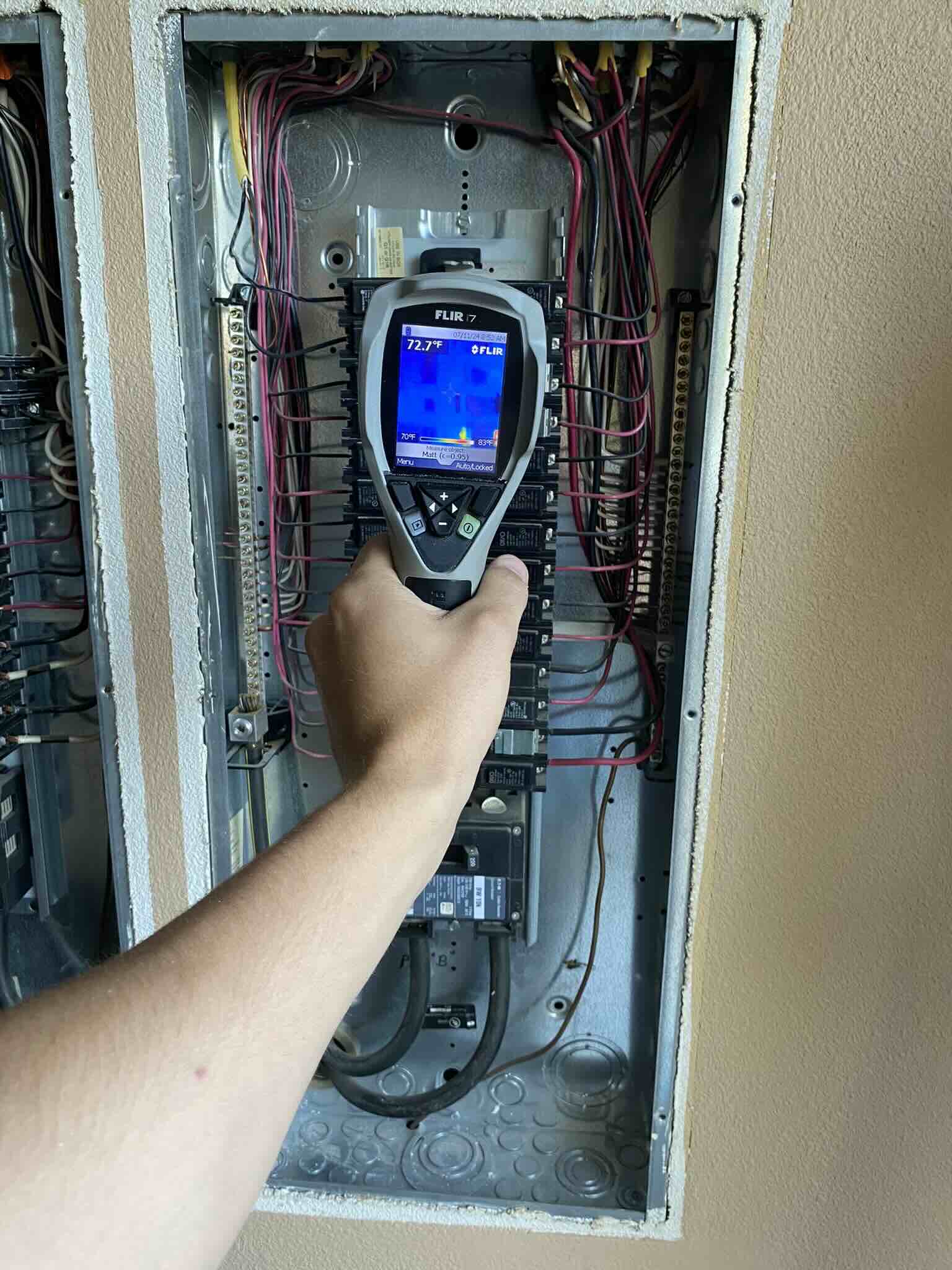
Older panels function but may struggle to handle the demands of a modern home and can become easily overloaded. - Panel is warm to the touch – If your panel is hot to the touch – or even warm – you need to have it inspected quickly. A warm panel is usually the result of electricity encountering some kind of resistance in the system, which can lead to overheating and – if that heat is allowed to build – an electrical fire.
If you’ve been asking yourself, “is my electrical panel safe?”, paying attention to warning signs is the first step toward protecting your home. The MAS Pro team can inspect your panel, identify any risks, and help ensure your system is safe and up to code—contact us today to get started.