
Electrical, Plumbing & HVAC
Safety Standards
Code compliant work and clear protocols for electrical, plumbing, and HVAC.
Our Commitment
Safety is built into how we work — not added as an afterthought.
We are committed to:
Protecting your family, home, and property
Maintaining a safe and respectful work environment
Complying with all local, state, and national safety codes
Continuously training our team on the latest safety procedures
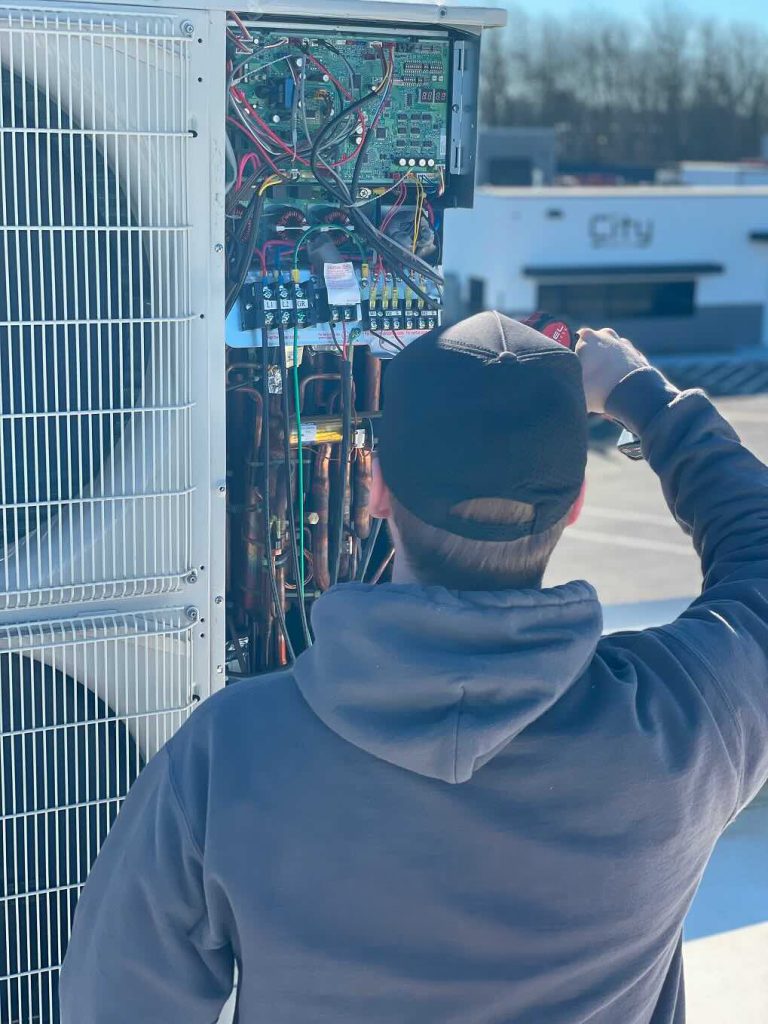
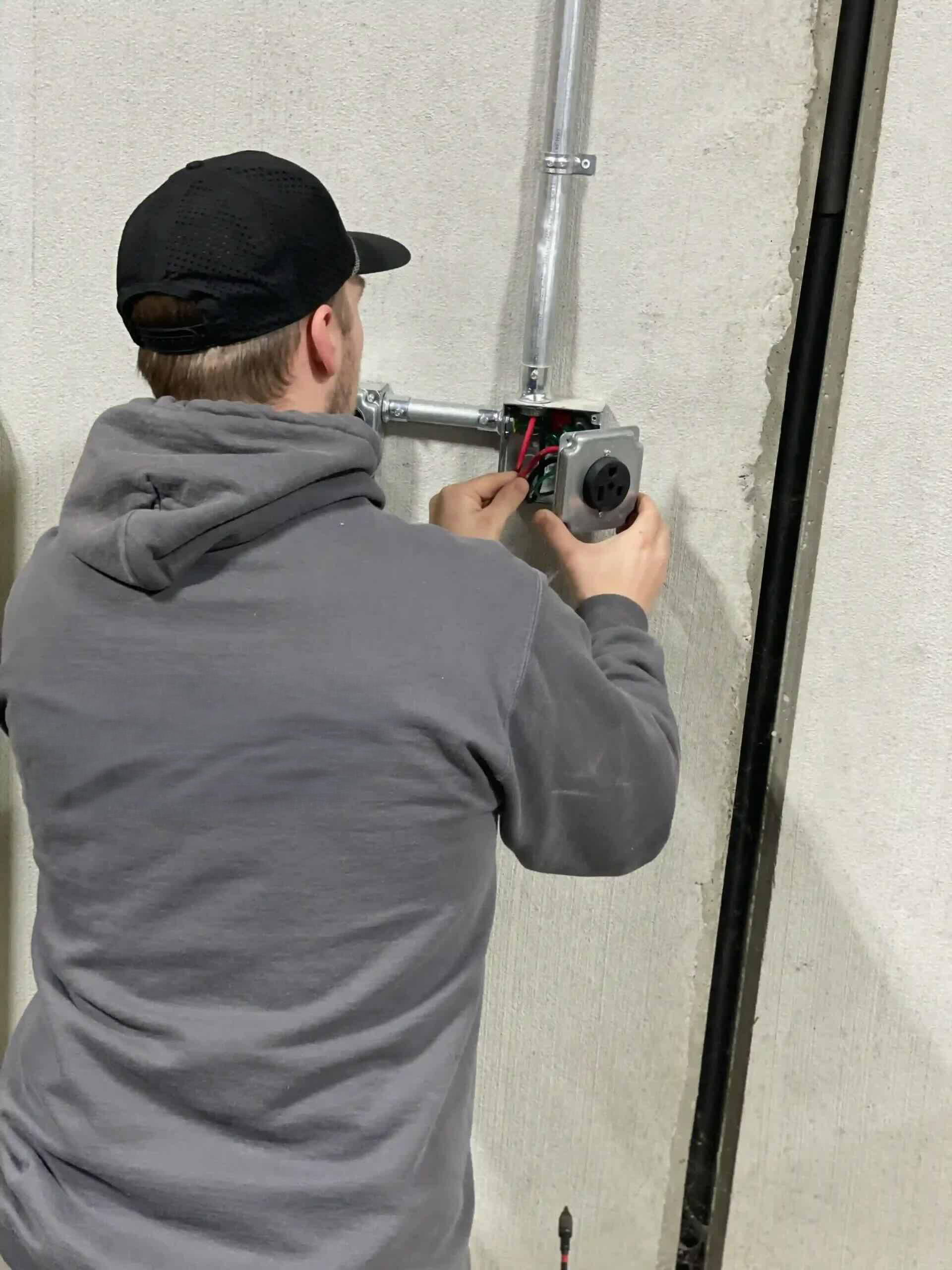
Trained & Qualified Technicians
All of our technicians are:
Properly licensed and insured
Background-checked professionals
Trained in OSHA-recommended safety practices
Regularly updated on current codes and industry standards
Clean, Respectful
Job Sites
We believe safety includes keeping your home clean and protected. Our team:
Uses drop cloths and shoe covers when appropriate
Maintains organized work areas to prevent hazards
Cleans up thoroughly after every job
Treats your home with care and respect
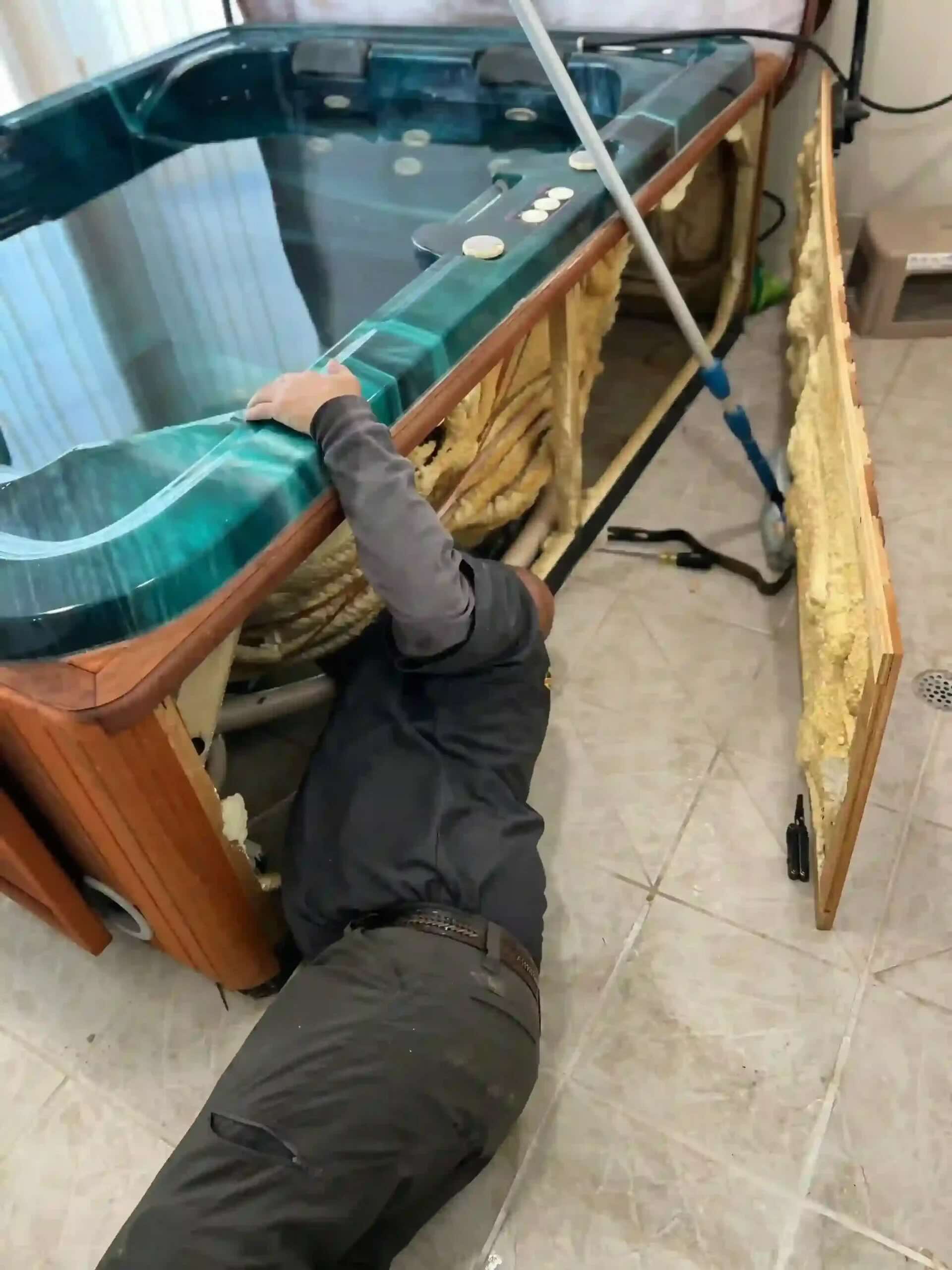

Compliance & Accountability
We proudly comply with:
Local and state building codes
OSHA safety guidelines
Manufacturer installation requirements
Industry best practices
Electrical | Plumbing | HVAC
OUR Services
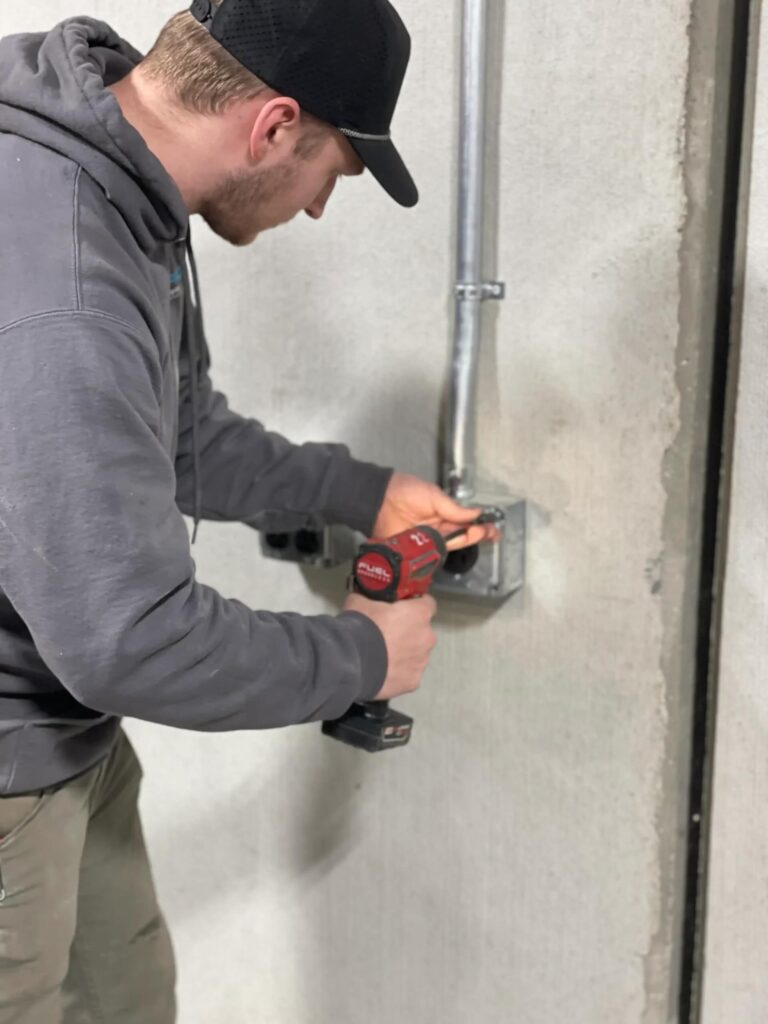
Electrical Service
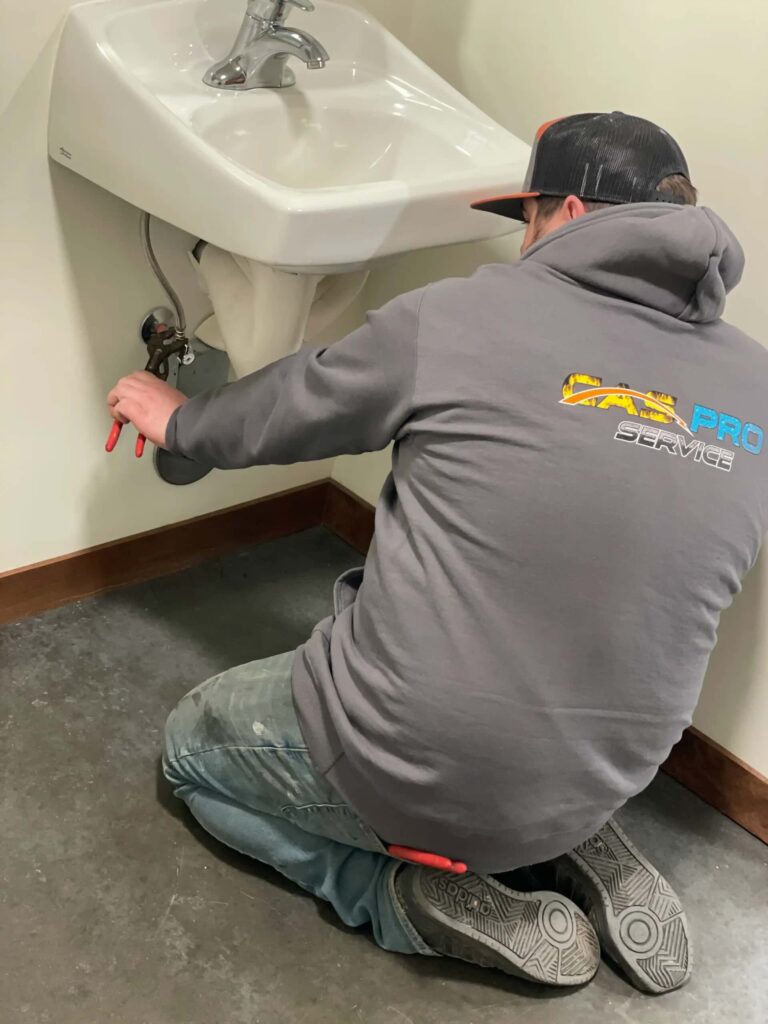
Plumbing Service
HVAC Service
FAQs
Quick answers to common electrical, plumbing, and HVAC safety questions.
What does it mean if my water heater is leaking from the relief valve pipe?
It can indicate excessive pressure, overheating, or a failing valve. It should be evaluated because the relief system is a critical safety component.
What does it mean if my water heater is leaking from the relief valve pipe?
How often should I change my HVAC filter for health and system safety?
Is it safe to DIY work on a water heater?
Is a burning smell or hot electrical panel an emergency?
Yes. A burning odor, heat at the panel, buzzing, or crackling can indicate overheating, arcing, or a failing connection. Turn off what you safely can, keep clear of the panel, and call a licensed electrician right away.
What is the difference between GFCI and AFCI protection?
GFCI helps prevent shock in wet or damp areas. AFCI helps reduce fire risk from dangerous arcing in wiring. Many homes need both depending on the circuit and location.
Why do my breakers keep tripping?
Repeated tripping is usually a sign of overload, a short, a ground fault, or a failing breaker or connection. Resetting it over and over can make the situation worse. The safest move is to reduce loads, leave the breaker off if it will not hold, and schedule troubleshooting.
What are common causes of electrical fires in homes?
What to do if you have an electrical emergency?
How would I work with MAS Pro as a general contractor?
You can call us today or come into our office.
We can take care of all of your heating, cooling, plumbing, and electrical projects today. No need to contact multiple contractors and worry about whether the company is legitimate. We’ll give you a competitive price with a fraction of the hassle because we can provide all three home service needs!
Still have a safety concern or question?
If you ever have questions or concerns about safety during a service visit, we encourage you to speak up. We’re happy to explain what we’re doing and why. Contact us anytime!