Most
electrical problems that turn into expensive repairs or real safety hazards start as small, fixable issues. A few basic checks done consistently can help you reduce the risk of electrical fire, avoid nuisance power issues, and catch failures early before they turn into bigger repairs.
1. Start With Monthly GFCI Testing
A good place to start is GFCI protection. GFCIs are designed to trip when electricity is leaking where it should not, which is why they are used most often anywhere water is involved. We recommend testing them monthly. On a standard GFCI outlet, press the test button and confirm it trips, then press reset to restore power. Some homes have GFCI protection at the breaker in the panel instead of at the outlet. In that case, use the breaker’s test function to trip it, then reset it by turning it fully off and back on, and confirm it resets correctly. If a GFCI will not trip or will not reset, treat it as a replace-it-now issue.
2. Keep Your Electrical Panel Clean and Sealed
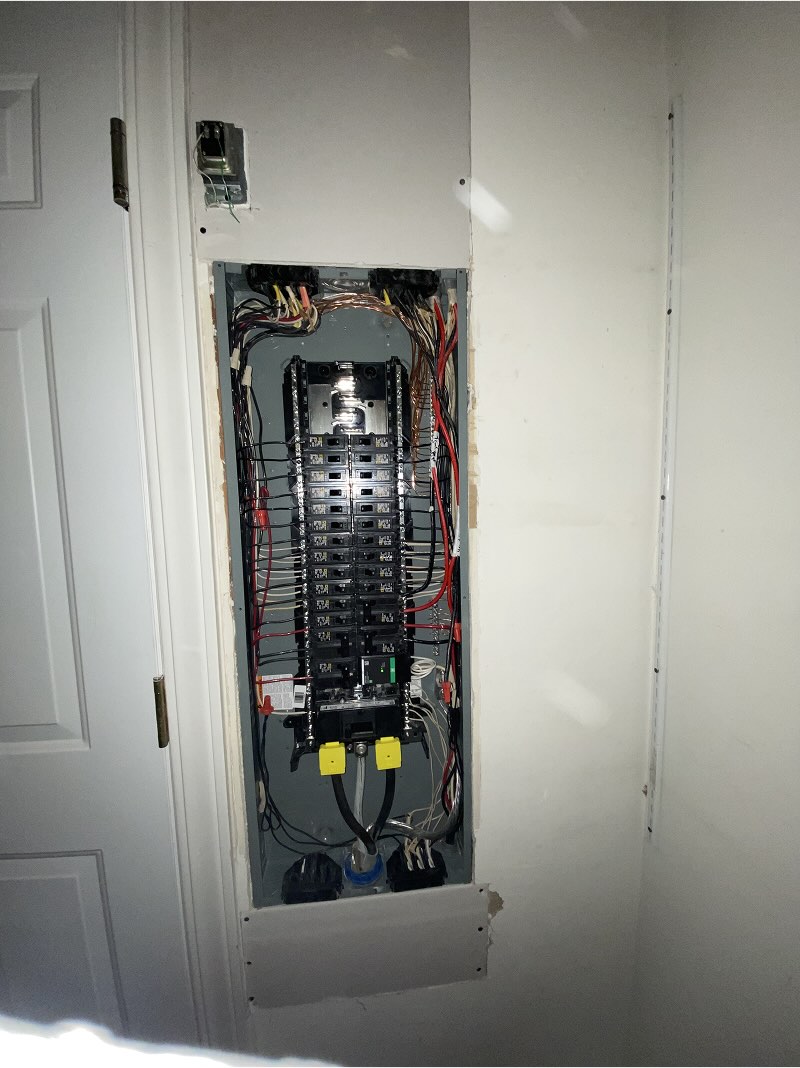
Another overlooked maintenance item is the electrical panel itself. The panel should be clean and properly sealed. If there are open knockouts or gaps, rodents or insects can get inside. When something gets into a panel, it can damage wiring or create a short. The safety risk that comes up most often from these situations is electrical fire. A quick visual check for openings, and having them properly closed, is a simple step that helps keep the system protected.
3. Replace Loose Outlets Before They Create Heat
Loose outlets are another small issue that can become a real hazard. If an outlet wiggles side to side, or if plugs will not stay in and fall out easily, that is a sign the receptacle should be replaced soon. Loose connections can create heat, and heat is one of the pathways that leads to electrical failure and fire risk. Replacing a loose receptacle early is one of the simplest ways to prevent that problem from developing.
4. The Biggest Electrical Risk in a Modern Home
When homeowners ask what the biggest electrical danger is in a modern home, the most serious real-world concern is usually fire, not day-to-day electrocution. That does not mean electricity is harmless, but it does mean the most common high-impact issues we see are tied to overheating, arcing, and damaged components. The situations that become truly dangerous are often tied to areas people should not be working in, such as contact with main energized components inside a panel.
5. Basic Outlet Safety for Kids
If you have kids in the home, outlet safety matters. Many newer homes use tamper-resistant receptacles, typically marked TR. These are designed so a child cannot easily insert an object into a single slot the way older outlets allowed. If you are moving into a home or updating an older one, checking for TR outlets is a straightforward safety step.
When to Call a Licensed Electrician
If something in your home does not seem normal, like persistent flickering lights, it is worth having a licensed electrician diagnose the cause and correct it. Most of the time, staying ahead of electrical problems is not about complicated upgrades.
It is about a few consistent habits:
- Test GFCIs monthly and replace any that do not trip or reset.
- Keep the panel sealed so nothing can get inside.
- Replace loose outlets early before they create heat and fire risk.
If you want help diagnosing flickering, nuisance trips, or any electrical safety concerns, the MAS Pro team can inspect the system and make the repairs the right way.