Skip to content
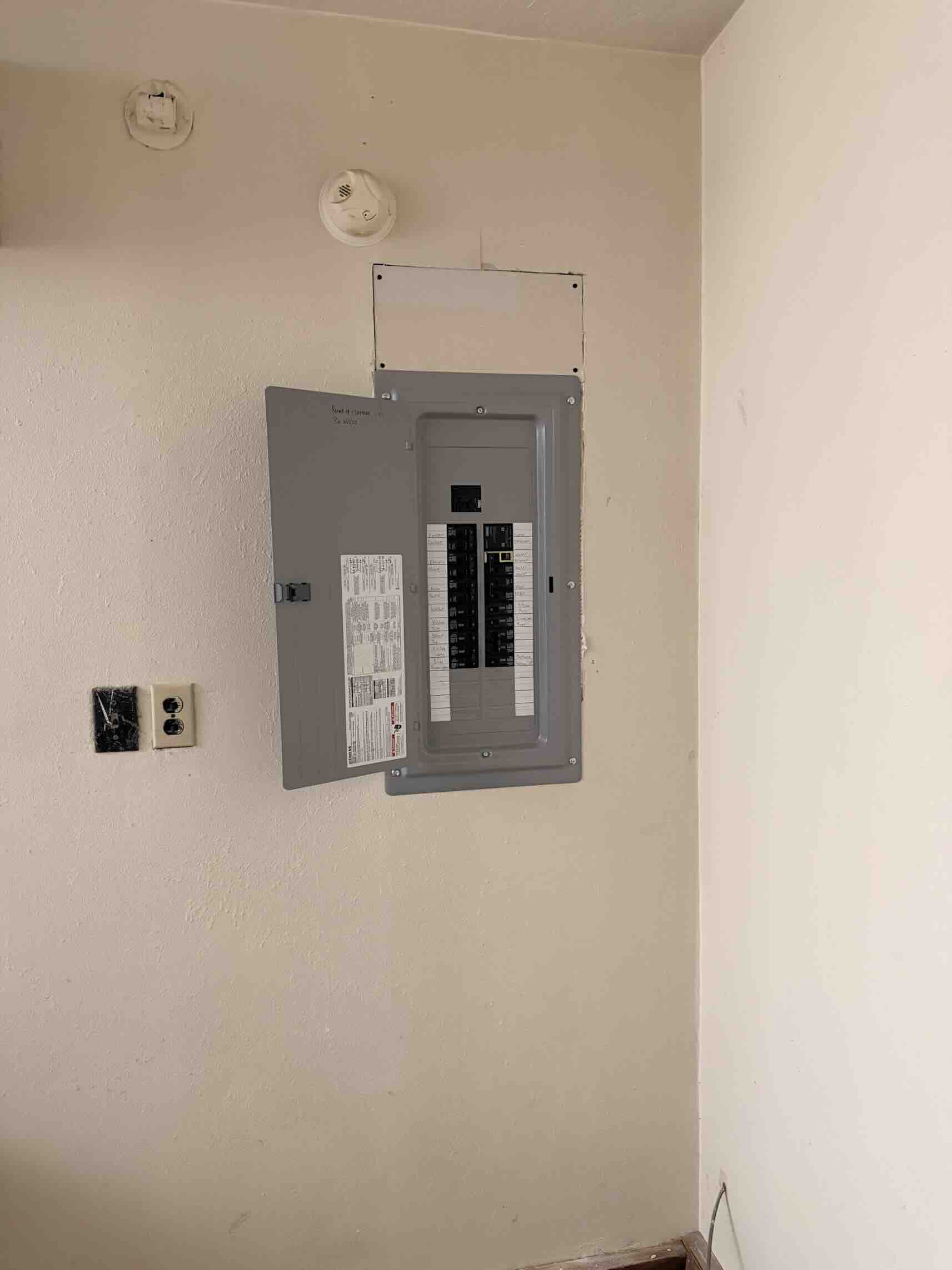
An outdated or recalled electrical panel is one of the most serious safety risks in a home, and many homeowners have no idea they have one. Below is a breakdown of recalled, problematic, and obsolete electrical panels, including what each one looks like, why it may be a concern, and what to do if you find one in your home. If you are in Vancouver, WA, Battle Ground, Camas, Ridgefield, Brush Prairie, or anywhere in Clark County, MAS Pro offers free panel inspections. Call 360-907-3412.
Quick Reference: Recalled and Problematic Panels at a Glance
| Brand / Product | Period | Recall / Concern | Recommended Action |
| Federal Pacific (FPE) Stab-Lok | 1950s to 1990s | Problematic: breaker trip-performance concerns | Professional evaluation; replacement commonly recommended |
| Zinsco / GTE-Sylvania | Primarily 1970s | Problematic: overheating and connection concerns | Professional evaluation; replacement commonly recommended |
| Challenger HAGF-15 / HAGF-20 GFCI breakers | Feb. 22 to Apr. 29, 1988 | Official recall: ground-fault protection may fail | Replace if affected |
| Pushmatic | 1950s to 1980s | Obsolete / aging equipment | Professional evaluation; replacement often recommended |
| Wadsworth | Legacy panels | Obsolete equipment / limited parts | Professional evaluation |
| Eaton MBED 3042 meter breakers | Sold Jul. to Aug. 2014 | Official recall: shock hazard | Contact Eaton / qualified electrician for repair |
| Square D QO Plug-on-Neutral | Feb. 2020 to Jan. 2022 | Official recall: overheating / fire hazard | Check model and date code; contact Schneider |
| Siemens / Murray | Jun. to Aug. 2010 | Official recall: fire hazard | Check model/date code; contact Siemens |
Not sure what you have? Schedule a free inspection or call MAS Pro at 360-907-3412, and we will confirm whether your panel needs a full panel replacement.
Outdated and malfunctioning electrical panels can be major safety risks. They are mostly found in older homes and can also create insurance concerns. Some products have been subject to official recalls, while others are commonly flagged because of age, design, or known performance concerns. We have compiled this electrical panel recall list and problematic-panel guide so you know what to look for if you are concerned about your panel.
Electrical Panel Recall List and Problematic Panels
1. Federal Pacific Panels
Federal Pacific Electric (FPE) panels were popular between the 1950s and 1990s, and their Stab-Lok breakers have been the subject of longstanding safety concerns.
CPSC testing confirmed that some FPE breakers failed certain Underwriters Laboratories (UL) calibration requirements. The CPSC closed its investigation in 1983 without determining that the breakers presented a serious risk of injury.
FPE was not subject to an official CPSC recall, but many electricians recommend replacing these panels because of their age and documented breaker-performance concerns. Here is what to look for to determine if you have an FPE panel with Stab-Lok breakers:
- A Federal Pacific Electric or FPE stamp on the metal cover.
- An internal sticker that reads “Federal Pacific Electric,” “Federal Pioneer FPE,” or “Stab-Lok.”
- Breakers with a red stripe on each switch.
2. Zinsco / GTE-Sylvania
Zinsco panels are most common in homes built in the western part of the US in the 1970s, and older units are widely regarded as problematic. Reported concerns include deterioration at the bus bars and breaker connections, which can lead to overheating and breakers that may not disconnect properly.
Here is what to check for when determining if you have a Zinsco panel:
- Branding that reads Zinsco, Sylvania, GTE-Sylvania, or Sylvania-Zinsco.
- Colored tabs on individual breakers (red, blue, green, and black). This is simply something to keep in mind when checking your panel.
3. Challenger
A specific Challenger breaker recall was issued in 1988:
- 1988: Type HAGF-15 and HAGF-20 GFCI breakers manufactured between February 22 and April 29, 1988 were recalled because a mechanical part could detach and prevent the ground-fault protection from functioning.
The 2014 Eaton MBED 3042 recall was a separate Eaton product and was not a second Challenger recall. If you have a Challenger panel, here is what to look for:
- The Challenger name, stamped on the handle or door, or on the manufacturer’s label usually found on the inside of the panel door.
- Circuits with yellow buttons and the word “test” on one side.
4. Pushmatic
Pushmatic panels were commonly installed between the 1950s and 1980s. They are now aging, obsolete equipment, so a licensed electrician should evaluate their condition and whether replacement is appropriate.
Here is what to look for:
- Rectangular buttons that activate and deactivate circuits, rather than right-to-left switches.
5. Wadsworth
Like Pushmatic, Wadsworth panels are older equipment and were not recalled as a brand. The main concern today is age and limited availability of original parts, so they should be evaluated by a licensed electrician.
What to look for:
- A Wadsworth label.
6. Certain Schneider Electric / Square D Panels
For the most part, Schneider Electric and Square D panels are safe, but between February 2020 and January 2022 the company had to recall specific panels that had loose neutral screw connections, which could overheat and catch fire.
What to look out for to be on the safe side:
- A Square D label.
- For the recalled load centers, a manufacturing date code between 200561 and 220233. Check the exact model and part number against the Schneider recall notice.
7. Certain Eaton Meter Breakers
Most Cutler Hammer and Eaton panels are not part of a broad recall. A specific 2014 CPSC recall covered about 1,100 Eaton MBED 3042 series residential meter breakers because electrical components could be easily accessed, creating a shock hazard.
What to look for:
- Eaton branding on the meter breaker.
- MBED 3042 series residential meter breakers.
- Affected catalog numbers include MBED3042B200BF, MBED3042B200BF6, MBED3042B225PV, and MBED3042PV200BF.
If you are unsure whether your specific equipment is part of the recall, MAS Pro can verify the model and recall status during an inspection.
8. Certain Siemens / Murray Panels and Breakers
In 2010, Siemens recalled certain Siemens and Murray circuit breakers, load centers, and meter combos because a breaker spring clip could break and cause excessive heat, arcing, or thermal damage, creating a fire hazard.
What to look for:
- A Siemens or Murray label.
- Affected circuit breakers with date codes 0610 or 0710.
- Affected load centers and meter combos manufactured between June 23 and August 25, 2010. Check the exact catalog number against the Siemens recall notice.
If you have Siemens or Murray equipment from this period, contact MAS Pro for a recall verification check.
Found a recalled or problematic panel in your home?
A failing panel is a fire risk and an insurance problem. MAS Pro handles licensed panel replacements across Clark County, with free quotes and no pressure.
See Panel Replacement Options Frequently Asked Questions
How do I know if my electrical panel is recalled?
Open your panel cover and look for the brand label, usually inside the door or stamped on the metal cover. Compare the brand, date code, and breaker style against the list above. Some entries are official recalls, while others are problematic or obsolete panels, so a brand match alone does not mean every unit was recalled. If you are not comfortable opening the panel, a licensed electrician like our team, or our partners at WRU in the Black Hills and Rapid City area, can do this during a free inspection.
Is a Federal Pacific panel really dangerous?
There are documented concerns. CPSC testing found that some FPE Stab-Lok breakers failed certain UL calibration requirements, although the CPSC closed its investigation without determining that the breakers posed a serious risk of injury. Many electricians still recommend replacement because of the age and performance concerns associated with these panels.
Will my homeowners insurance cover a recalled panel?
Some insurance companies may refuse to write a new policy or require corrective work if they discover a Federal Pacific, Zinsco, or other problematic panel during inspection. Replacing the panel often makes a home insurable again, and may lower your premium.
How much does it cost to replace a recalled panel in Vancouver, WA?
Panel replacement costs in Clark County typically range from $2,500 to $4,500 depending on amperage, panel location, and whether any service upgrades are needed. MAS Pro provides free, no-obligation quotes.
Can I just replace the breakers instead of the whole panel?
For Federal Pacific and Zinsco panels, electricians often recommend a full panel replacement rather than simply swapping breakers because concerns can involve the panel and bus system as well as the breakers. For isolated breaker recalls, such as certain Siemens models, replacing the affected breaker may be sufficient.
Serving Clark County and Vancouver, WA
MAS Pro provides licensed electrical inspections, panel replacements, and emergency electrical service throughout Vancouver, WA, Battle Ground, Camas, Washougal, Ridgefield, Brush Prairie, and the greater Clark County area. If you have identified any of the recalled or problematic panels above in your home, or you are not sure what you have, call us at 360-907-3412 for a free inspection.
Do not ignore a recalled or problematic panel
Call MAS Pro at 360-907-3412 or schedule a free inspection online. We will verify the recall status and walk you through your replacement options with no pressure.
Explore Panel Replacement Schedule a Free Inspection Disclaimer: This article is general educational information, not a safety assessment of any specific product or installation. Recall status, panel condition, and the right course of action depend on the individual equipment in your home and must be verified by a licensed electrician. Recall details are summarized from public notices that may be updated or superseded; always confirm current information directly with the U.S. Consumer Product Safety Commission or the manufacturer. Brand names are used only to identify equipment accurately and do not imply any affiliation with, or endorsement by, their owners.