Skip to content
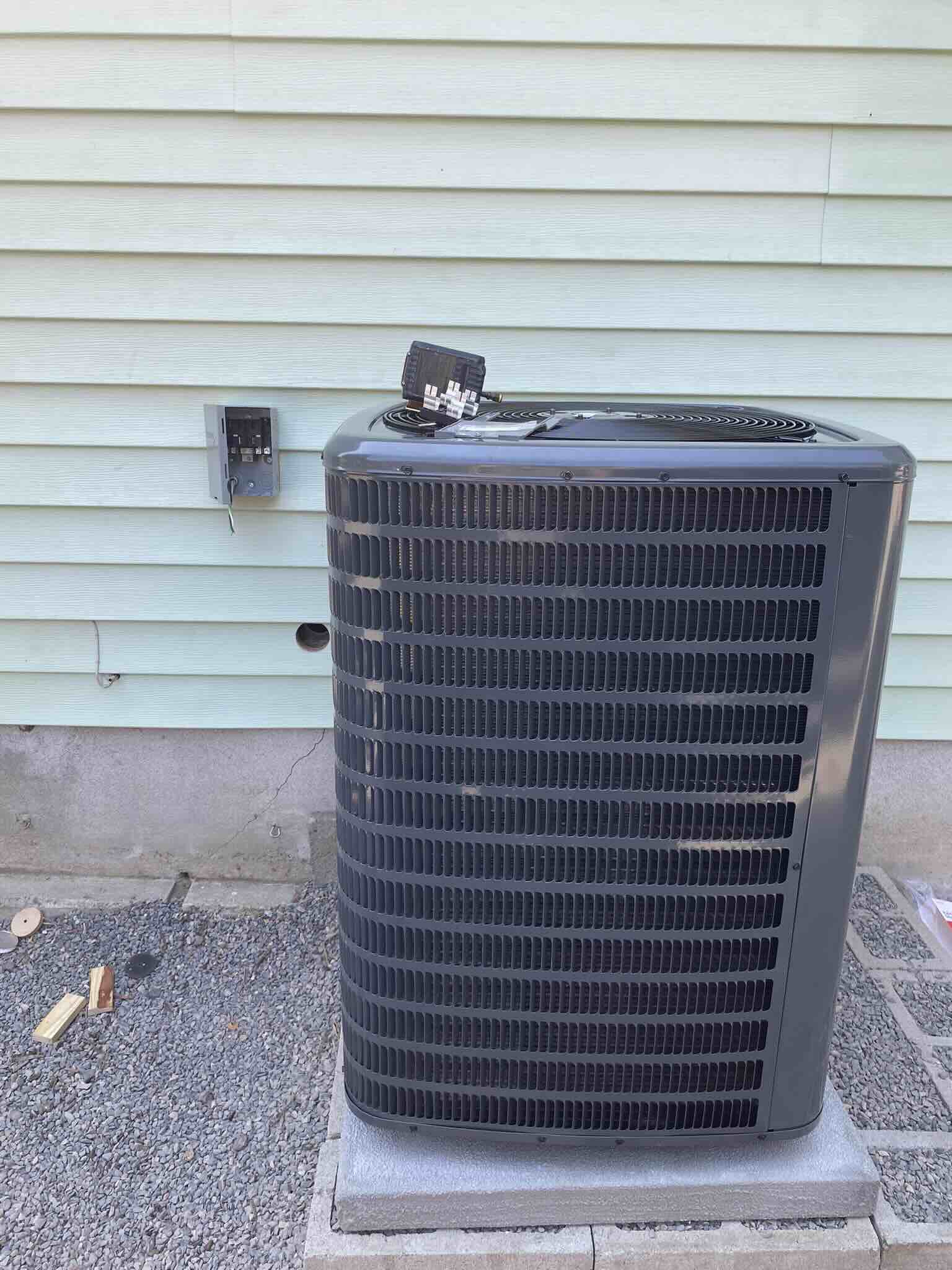
Heat Pump vs. Furnace in Vancouver, WA: Which One Is Right for Your Home?
If you are replacing your heating system in Vancouver or anywhere in Clark County, the decision usually comes down to two paths: a heat pump or a gas furnace. The right answer depends on three things most online comparisons skip — how cold it actually gets here, what you currently pay per therm of gas versus per kilowatt-hour of electricity, and whether you also need cooling. This guide walks through each in plain numbers, written for a Vancouver homeowner who just wants a system that works and does not waste money.
Quick Facts for Clark County Homeowners
- Vancouver climate zone: IECC Zone 4C (marine). Winters mild, summers increasingly hot.
- Average January low: 35°F. Heat pumps work efficiently down to about 25°F without backup.
- Typical install cost: Gas furnace $4,500 to $8,000. Heat pump $9,000 to $16,000.
- Annual operating cost (typical 2,000 sq ft home): Heat pump $700 to $1,100. Gas furnace plus AC $900 to $1,400.
- Rebates: Clark Public Utilities offers $800 to $2,000 on qualifying heat pumps.
- Federal tax credit: Up to $2,000 for ENERGY STAR heat pumps under the Inflation Reduction Act 25C credit.
- Permit required? Yes for both, through Clark County Community Development.
The Core Difference in One Paragraph
A furnace makes heat by burning fuel, usually natural gas. A heat pump moves heat that already exists in the outdoor air into your house. Because moving heat takes less energy than creating it, a heat pump delivers roughly three units of heat for every one unit of electricity it uses. A gas furnace, even a high-efficiency one, gives you at most 0.97 units of heat per unit of fuel burned. That efficiency gap is the entire reason heat pumps have taken over new HVAC installs in the Pacific Northwest.
The catch: heat pumps lose efficiency as outdoor temperatures drop. Below about 25°F, most standard models need an electric backup or a paired gas furnace to keep up. Vancouver only sees temperatures that low a handful of nights per year, which is why heat pumps work so well here and why they would not be the obvious choice in, say, Spokane or Bend.
How They Stack Up Side-by-Side
| Factor | Gas Furnace | Heat Pump |
|---|---|---|
| How it works | Burns natural gas to heat air | Moves heat from outside air indoors |
| Installed cost | $4,500 to $8,000 | $9,000 to $16,000 |
| Efficiency rating | 80% to 97% AFUE | 300% to 400% equivalent (HSPF2 8 to 10) |
| Provides cooling? | No (needs separate AC) | Yes, built in |
| Lifespan | 15 to 20 years | 15 to 25 years |
| Cold weather performance | Strong at any temperature | Efficient down to ~25°F, then needs backup |
| Fuel source | Natural gas line required | Electric, no gas line needed |
| Carbon monoxide risk | Present (combustion appliance) | None (no combustion) |
| Rebates available | Limited | $800 to $2,000 from Clark PUD + federal credit |
The Vancouver Climate Question
This is where the standard online comparisons get lazy. They say “heat pumps work in mild climates” without telling you where Vancouver actually falls on that scale.
Vancouver sits in IECC Climate Zone 4C, the marine zone. Our average January low is 35°F. Our coldest week of a typical winter dips into the mid-20s for a few overnight hours. We get below 20°F maybe two or three days per year, and below 10°F almost never. That profile is close to ideal for a heat pump. Modern variable-speed heat pumps maintain full capacity down to roughly 17°F and continue providing heat (at reduced efficiency) well below that. For the vast majority of hours in a Vancouver heating season, a heat pump runs in its sweet spot.
Compare that to a home in Yakima or Spokane on the dry side of the Cascades, where temperatures sit below freezing for weeks at a time. There, a furnace or a dual-fuel setup makes more sense. Here, it usually does not.
The Money Question: What Each Actually Costs You
Up-Front Cost
A standard 96% AFUE gas furnace installation runs $4,500 to $8,000 in Clark County, assuming you already have a gas line and existing ductwork. A ducted heat pump system runs $9,000 to $16,000 depending on tonnage and brand, and a ductless mini-split falls in a similar range for whole-home coverage.
The heat pump looks more expensive on day one. But the gas furnace is only half a system. If you also want air conditioning, you are adding $4,000 to $7,000 for a separate AC unit. Once you bundle furnace plus AC, the total install cost lands close to a heat pump, sometimes higher. We walk through this in detail in our cost to install a new HVAC system writeup.
Operating Cost
Clark Public Utilities residential electricity rates are among the lowest in the country at around 9 cents per kilowatt-hour. NW Natural’s residential gas rates in the Vancouver area run roughly $1.10 to $1.40 per therm. For a typical 2,000 square foot Vancouver home, that math usually works out to:
- Heat pump heating + cooling: roughly $700 to $1,100 per year
- Gas furnace heating + separate AC cooling: roughly $900 to $1,400 per year
Your exact numbers depend on insulation, square footage, and how cold you keep the house, but the heat pump consistently wins on operating cost in our climate. Over a 15-year lifespan, that difference compounds to several thousand dollars.
Rebates and Tax Credits
This is where heat pumps pull further ahead in 2026. Clark Public Utilities offers rebates of $800 to $2,000 on qualifying ductless and ducted heat pumps for electrically heated homes. The federal 25C Energy Efficient Home Improvement Credit adds up to $2,000 for ENERGY STAR certified heat pumps. Stack those together and the up-front cost gap with a furnace narrows substantially. Furnaces qualify for far smaller incentives, typically a few hundred dollars at most for high-AFUE models.
For a current list of what is available in Clark County, see our utility rebates overview.
When a Furnace Still Makes Sense
You already have gas, good ductwork, and just need to replace the furnace
If your existing system is a gas furnace, your gas line is already there, and you have working AC, replacing the furnace with another high-efficiency gas furnace is the cheapest path. You are not paying to convert anything. This is the most common “just replace it like-for-like” scenario.
Your home is poorly insulated and you cannot upgrade it right now
Heat pumps work best in homes with reasonable insulation and tight building envelopes. Older homes with single-pane windows, knob-and-tube wiring, and minimal attic insulation can struggle to hold heat from a heat pump on the coldest nights. A gas furnace’s higher output temperature handles those edge cases more comfortably. We cover this in our writeup on modern HVAC solutions for older Washington homes.
When a Heat Pump Is the Clear Winner
You need both heating and cooling and you are starting fresh
One system, one outdoor unit, one install. You get heating in winter and cooling in summer without buying a separate AC unit. For new construction or major renovations in Vancouver, this is now the default recommendation from most reputable HVAC contractors.
You currently heat with electric baseboards or an electric furnace
This is where the savings get dramatic. Switching from electric resistance heat to a heat pump cuts heating electricity use by 50 to 70 percent. The payback window is typically four to seven years, often less once you stack rebates and the 25C tax credit. If your home does not have a gas line and you have been heating with electricity, a heat pump is almost always the right move.
Your home has no existing ductwork
A ductless mini-split heat pump skips the ductwork entirely. Individual indoor heads serve one room or zone each, which lets you condition only the spaces you use and dial in different temperatures for different rooms. For older Vancouver homes that were originally heated with baseboards or wall heaters, this is far cheaper than retrofitting full ductwork.
The Dual-Fuel Option Most People Do Not Know About
If you cannot decide, there is a third path: a dual-fuel system that pairs a heat pump with a gas furnace as backup. The heat pump handles all the heating down to a preset outdoor temperature (usually around 30 to 35°F), at which point the system automatically switches to the gas furnace. This gives you the operating-cost benefit of a heat pump for 90 percent of the heating season plus the brute-force capability of a gas furnace for the coldest nights.
Dual-fuel makes the most sense if you already have a working gas furnace and want to add a heat pump for cooling and shoulder-season heating. It costs more than either single system, but it eliminates the “what if” question entirely.
What MAS Pro Service Actually Recommends
For most Vancouver and Clark County homes — including Battle Ground, Camas, Ridgefield, Brush Prairie, and Woodland — a properly sized heat pump is the right answer in 2026. The combination of a mild winter climate, low Clark PUD electricity rates, generous rebates, and a federal tax credit makes the math hard to beat. The exceptions are real but narrow: an existing-furnace replacement where everything else still works, or a poorly insulated older home where the building envelope cannot keep up.
We do not recommend a system based on what we have in stock. Every quote starts with a Manual J load calculation to figure out the actual heating and cooling demand of your specific home, not a rough estimate from square footage alone. Oversizing is the most common installation mistake we see from other contractors, and it leads to short-cycling, poor humidity control, and shortened equipment life regardless of which system you choose. More on that in our overview of common HVAC problems.
The Short Answer
If you have a working gas line and a functioning AC, replacing your furnace with another gas furnace is the cheapest move. If you are starting fresh, replacing both at once, or currently heating with electricity, a heat pump will save you money over its lifespan and qualifies for thousands of dollars in rebates and tax credits. Vancouver’s climate is squarely in heat pump territory.
Permits and Local Code
Both heat pumps and furnaces require a mechanical permit through Clark County Community Development. Heat pump installs also typically require an electrical permit for the dedicated circuit feeding the outdoor unit. Gas furnaces require a gas piping inspection if any new lines are run. MAS Pro Service is licensed for electrical, plumbing, and HVAC work, which means we handle every permit and inspection on a heat pump install in-house rather than coordinating between separate contractors. More detail in our guide on electrical permits in Clark County.
Need Help Choosing for Your Vancouver Home?
Get a no-pressure quote with a real load calculation and a side-by-side comparison of both options.
Request a ConsultationRelated Reading
Cost to Install a New HVAC System | What’s a Mini Split and Why It’s a Smart Move | Modern HVAC Solutions for Older Washington Homes | HVAC or Just AC? Here’s What to Know | Clark County Utility Rebates