Skip to content
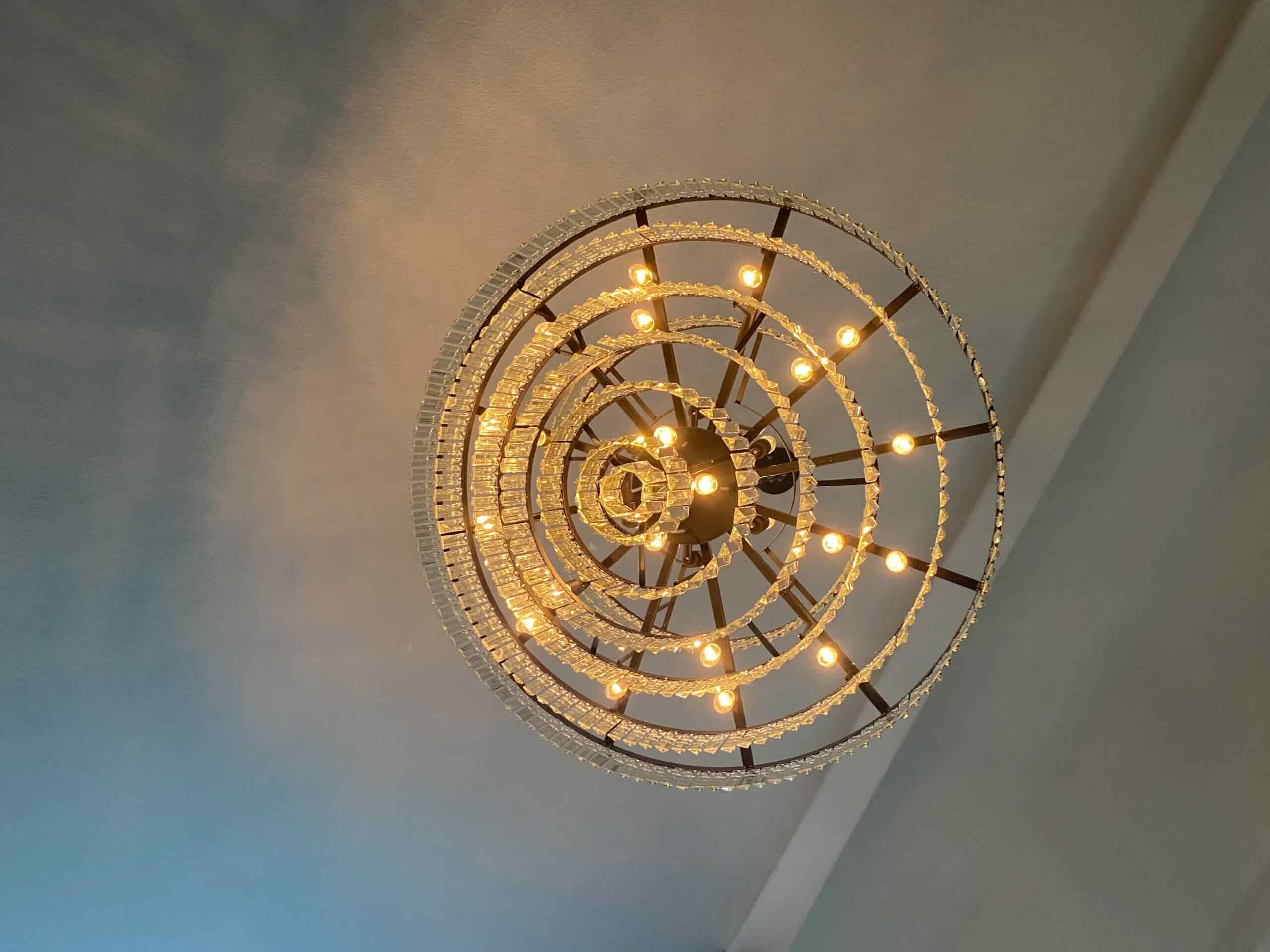
Dimmer switch installation is one of the most requested upgrades we see across Clark County, and it’s easy to understand why. A dimmer gives you control over brightness instead of a simple on/off choice, meaning you can choose between bright or atmospheric lighting with one switch. While the upgrade seems straightforward, the right dimmer will depend on the age of your home’s wiring and the type of bulbs you use.
Why Bulb Type Comes Before Wiring
Most modern homes use LED lighting, but not all LED bulbs are dimmable, and not every dimmer is compatible with every LED. An incompatible combination often causes flickering, buzzing, or reduced bulb life.
General-use dimmer switches were originally designed to control incandescent bulbs, and the National Electrical Code still reflects that history. Under NEC Section 404.14(F), dimmers must be listed for the type of lighting load they control. While traditional dimmers were designed for incandescent lighting, modern LED fixtures require dimmers specifically listed as compatible with LED loads.
Before purchasing a dimmer, check both the bulb and dimmer packaging or the manufacturer’s compatibility guide to ensure they’ll work together. This single step prevents most of the callbacks we see for “new dimmer, flickering lights.”
The Neutral Wire Problem in Older Vancouver Homes
Many homes built before the mid-1980s were wired without a neutral conductor in the switch box. While traditional dimmers may still work, many electronic and smart dimmers require a neutral wire.
If you open your switch box and don’t find neutral conductor (typically a bundle of white wires joined together in the back of the box), you have two options:
- Have a neutral conductor added to the switch box. This often requires running new cable and provides the most flexible long-term solution.
- Install a dimmer designed for homes without neutral wires, such as certain Lutron Caséta models, which draw a very small current through the fixture itself instead of a neutral. This is a faster alternative but these dimmers do have minimum load requirements, so they don’t pair well with every LED.
Three-Way Switches: The Most Common DIY Mistake
If a light is controlled from two locations, such as a hallway or stairwell, you’re dealing with a three-way circuit. Installing a dimmer makes the wiring more complicated. Three-way dimmers use traveler wires that carry the signal between the two switch locations, and in most residential dimmer systems, only one device contains the dimming electronics. Wiring those traveler wires to the wrong terminals is a common DIY mistake, often resulting in lights that won’t operate correctly or breakers that trip.
Under current NEC code, adopted statewide in Washington effective April 1, 2024, switches controlling line-to-neutral lighting loads in habitable rooms, hallways, and stairways must also have a neutral conductor present at the switch box, which reinforces why the neutral issue above matters even more in a three-way setup.
What a Properly Installed Dimmer Gets You
Beyond ambiance, a correctly matched dimmer switch installation has a real efficiency payoff. Dimming generally reduces energy use, although the exact savings depend on the bulb technology and the dimming level. It can also reduce heat output and help extend the life of compatible bulbs. For homes already running LED throughout, that’s a modest but real reduction stacked on top of the LED savings you’re already getting.
If you’re planning a broader lighting refresh alongside your dimmer switch installation, it’s worth thinking through switch placement and smart control options at the same time.
When to Call an Electrician
Replacing a standard single-pole switch with a compatible dimmer in a newer home can be a manageable DIY project. However, it’s best to call a licensed electrician if:
- You’re unsure about your existing wiring.
- Your home was built before the mid-1980s.
- The switch box doesn’t have a neutral wire.
- You’re installing a three-way dimmer.
Regular attention to the basics of your home’s electrical system also reduces surprises during projects like this one.
If you’re planning a dimmer switch installation in Vancouver, WA, MAS Pro Services can inspect your wiring, recommend the right dimmer, and complete the installation safely and correctly. Schedule a visit with MAS Pro Services.
Sources
EC&M. NEC Requirements for Switches https://www.ecmweb.com/national-electrical-code/code-basics/article/21265031/nec-requirements-for-switches
Mister Sparky. Can You Install a Dimmer Switch on Any Light? https://www.mistersparky.com/expert-tips/lighting/can-you-install-a-dimmer-switch-on-any-light/
KivenLighting. How to Solve Missing Neutral Wire Issues in Lighting https://kivenlighting.com/blogs/news/smart-switch-no-neutral
Occupational Health & Safety. Washington L&I Updates Electrical Safety Standards https://ohsonline.com/articles/2024/02/27/washington-l-and-i-updates-electrical-safety-standards.aspx