Skip to content
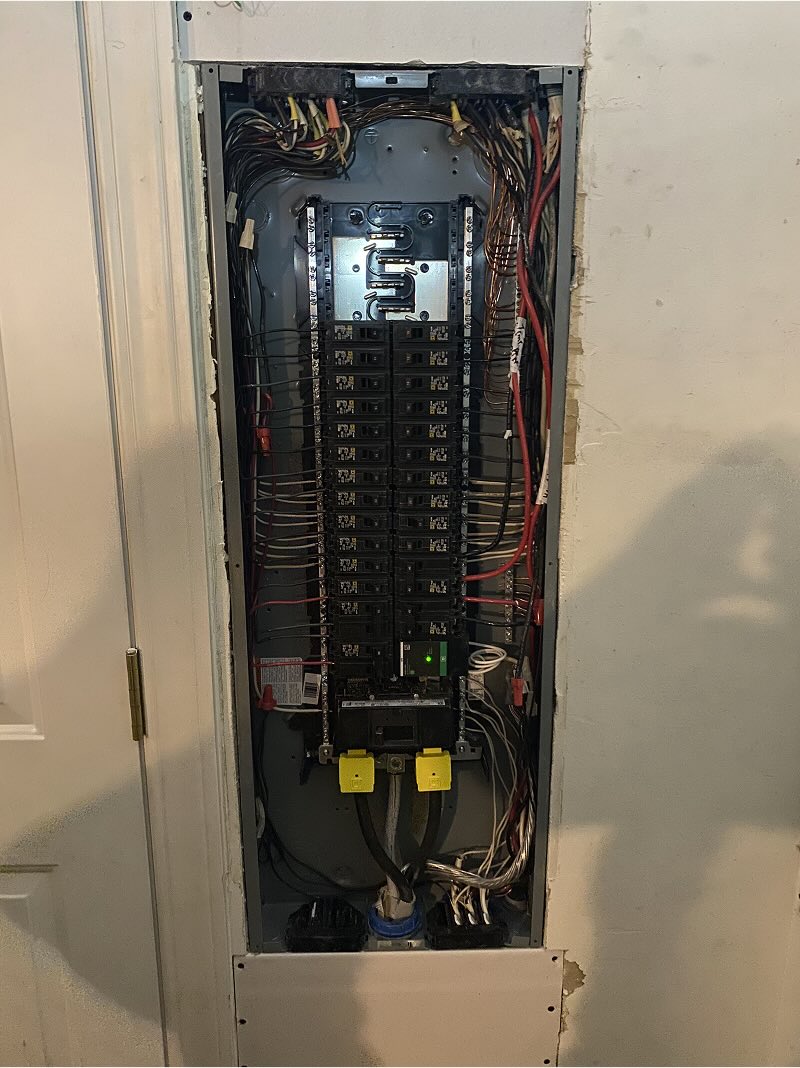
An arc-fault breaker is a safety device that many homeowners don’t think about until they’re replacing an electrical panel or an inspector points out it’s missing. If you’re planning an electrical upgrade in Clark County, here’s what you need to know.
How an Arc-Fault Breaker Functions
A standard circuit breaker trips when a circuit is overloaded or shorted. An arc-fault breaker is built to catch something different: a dangerous electrical arc caused by damaged, loose, or deteriorating wiring. Because arcing often doesn’t draw enough current to trip a standard breaker, it can generate enough heat to start an electrical fire.
This differs from GFCIs, which protect against electric shock by detecting current leaking to ground. Because the two devices catch different problems, many rooms now require both.
Where Arc-Fault Protection Is Required
Under the 2023 National Electrical Code, adopted statewide in Washington effective April 1, 2024, arc-fault protection is required on all 120-volt, single-phase, 15- and 20-amp branch circuits supplying outlets and devices in most living spaces of a home. This includes kitchens, family rooms, dining rooms, living rooms, bedrooms, dens, sunrooms, recreation rooms, closets, hallways, laundry areas, and other similar living spaces. Kitchens and laundry areas are a relatively recent addition to this list.
Because kitchens and laundry areas require both arc-fault and ground-fault protection, electricians commonly install dual-function AFCI and GFCI breakers to provide both forms of protection with one device.
The Rule Older Vancouver Homes Often Miss
Arc-fault requirements aren’t limited to new construction. If you modify, replace, or extend an existing branch circuit in any of the rooms listed above, code requires that circuit to be brought up to current arc-fault protection standards, even in a home built decades before AFCI breakers existed. This catches a lot of Vancouver homeowners off guard mid-project. Adding a single outlet to a bedroom circuit during a small remodel, for example, can trigger a requirement to install arc-fault protection on that entire circuit, not just the new outlet.
There’s a narrow exception. If the extension of existing wiring is six feet or less and doesn’t add any new outlets or devices, arc-fault protection isn’t triggered. Beyond that threshold, or with any new device added, the requirement applies.
Why This Comes Up Alongside Panel Recalls
Arc-fault breakers are frequently discussed at the same time as panel condition, and for good reason. A panel with recalled or aging components is more likely to have the kind of loose connections and deteriorating insulation that lead to arcing in the first place. Arc-fault breakers can provide an extra layer of protection, but they won’t fix the damage.
If your home’s panel is on the list we cover in our electrical panel recall guide, an arc-fault breaker isn’t a substitute for addressing the panel itself. It’s an added layer of protection, not a fix for a recalled or failing component.
Signs Your Breakers Need a Second Look
There are a few warning signs that suggest your panel may need attention regardless of whether arc-fault protection is currently installed:
- A breaker that trips repeatedly without an obvious overload
- A panel that feels warm to the touch
- Visible scorching around a breaker
If you spot any of these, call an electrician to inspect the panel. Furthermore, if your home still has its original panel from before the 1990s, it may be time to evaluate whether a full panel upgrade is needed.
Getting Arc-Fault Protection Installed Correctly
Retrofitting an arc-fault breaker into an older panel isn’t always a simple swap. Some older panels aren’t compatible with modern AFCI breakers, and existing wiring should be inspected to ensure it isn’t already damaged. A licensed electrician can confirm which circuits require protection and whether your panel can safely support the upgrade.
If you’re unsure whether your Vancouver home meets current arc-fault protection requirements, MAS Pro Services can inspect your panel, identify gaps in AFCI protection, and install code-compliant AFCI breakers where needed. Schedule a visit with us.
Sources
Humboldt County, CA. Arc-Fault Circuit Interrupter (AFCI) | CEC § 210.12 https://humboldtgov.org/3429/Arc-Fault-Circuit-Interrupter-AFCI-CEC-2
ExpertCE. Where are AFCI Breakers Required? NEC 210.12 Explained https://expertce.com/learn-articles/where-are-afci-breakers-required-nec-210-12/
New York Energy Industries Association. 2023 NEC Arc-Fault Circuit-Interrupter AFCI Requirements https://www.nyeia.com/wp-content/uploads/2025/10/2023-NEC_AFCI-Requirements.pdf
Electrical License Renewal. 210.12(D) AFCI Protection: Branch Circuit Extensions or Modifications https://www.electricallicenserenewal.com/Electrical-Continuing-Education-Courses/NEC-Content.php?sectionID=816
Occupational Health & Safety. Washington L&I Updates Electrical Safety Standards https://ohsonline.com/articles/2024/02/27/washington-l-and-i-updates-electrical-safety-standards.aspx