Skip to content
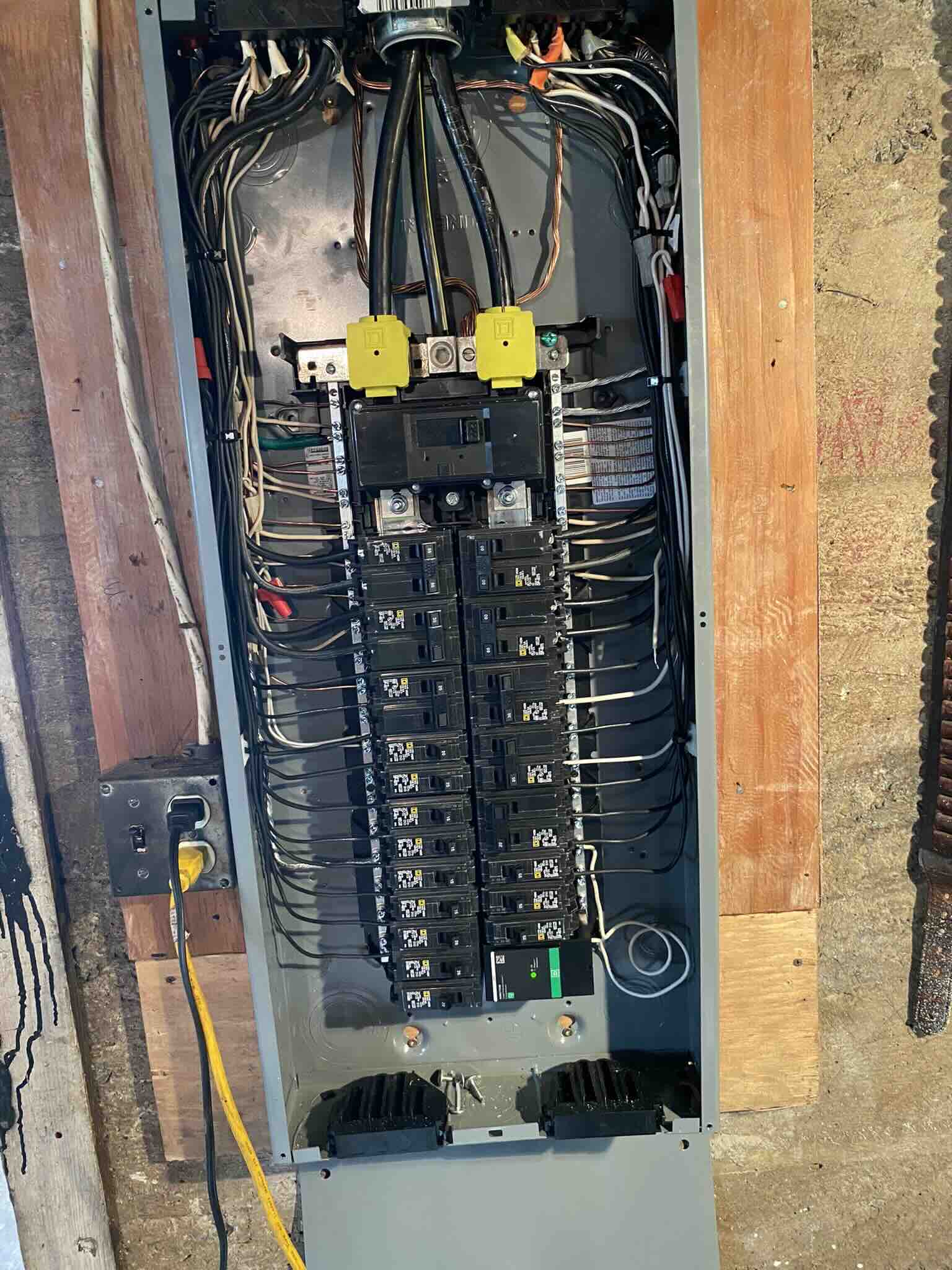
Your circuit breaker is one of the most important safety components in your home, as it constantly monitors the flow of power, ready to shut everything down at a moment’s notice. It’s good to be aware of the early signs of a failing circuit breaker and act quickly once you spot them.
Signs of a Failing Circuit Breaker
1. Dust or Discoloration on Components
Dust collecting on your electrical panel is normal; however, once you start finding it on your breakers, you’ve got a problem. It can cause many issues depending on the environment you live in and how thick the dust is:
- Fresh/light dust layer – Gray or brown. Can be dealt with quite easily.
- Thick dust layer – Cleaning is overdue. Air flow may be blocked, increasing fire risk.
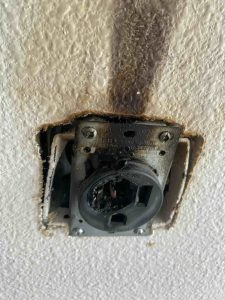
- Discoloration, scorch marks, or gray buildup around contacts – Electrical faults have already occurred. Professional inspection is necessary.
2. Frequent Tripping
This can be the result of:
- A faulty breaker
- Dust – can cause two kinds of issues:
- Electrical issues:
- Connects contacts that should stay separated with conductive bridges.
- Keeps heat from escaping, leading the thermal elements to trip easily.
- Mechanical issues – When dust gets inside breakers, they may trip unexpectedly or fail to reset.
- Electrical issues:
Pay attention to when trips happen. If dust-related, they may occur:
- When certain appliances are running
- At specific times of day
- During humid conditions or damp environments
- Overloaded circuits
- Your system needing an upgrade.
3. Burning Smell or Scorch Marks
Burning smells coming from electrical appliances are dangerous. If those smells are coming from your breaker panel, it’s a pretty good indication that something is overheating and melting wire insulation.
Turn off the main breaker immediately and call a licensed electrician.
4. Breaker Won’t Stay Reset
There are several reasons a breaker won’t reset, including:
- An active short circuit
- A ground fault
- An overloaded circuit
- A broken internal mechanism
- Loose wiring
5. Hot or Warm Electrical Panel
A hot electrical panel is a major sign of a failing circuit breaker. It means heat dissipation is being prevented somehow, which can keep the breakers hot even under normal conditions. This can lead to:
- Damaged insulation
- Degraded components
- Increased fire risk
There are several factors that can affect the temperature of your panel, including:
- Loose connections
- Dust
- High ambient temperatures
- Poor ventilation around the panel
- Humidity – dust absorbs moisture, which increases conductivity and generates more heat
6. Flickering or Dimming Lights
Momentary flickers are a good indication that there’s unstable electrical contact in your system. This is usually a result of a loose connection or dust.
If dust is the culprit:
- Only specific circuits or areas are affected, not the whole home.
- Problems worsen as dust accumulates.
- High humidity or vibration may make issues more noticeable.
- Problems return after maintenance as dust builds up again. Regular maintenance can greatly reduce irregular power problems.
Dust gets trapped between contacts and interrupts the current path by acting as a partial insulator. Contact pressure may push it aside, but vibration, thermal expansion, and mechanical shifts can break the connection temporarily. Over time, these small interruptions can cause a lot of damage to components and deposit carbon, which can make the problem worse.
7. Unusual Sounds (Buzzing or Crackling)
A functional circuit breaker should be silent. If you’re hearing noise, it’s usually a sign of a failing circuit breaker, and different sounds may indicate different issues:
- Buzzing – loose connections vibrating under the alternating current (AC).
- Hissing – arcing (can ignite combustible dust, melt insulation, or create hotspots, making dust-contaminated panels a serious fire hazard).
- Crackling or sizzling – intermittent or severe arcing. Can be made worse by dust or humidity.
8. Visible Physical Damage
Corrosion and rust are clear signs of a failing circuit breaker. They can increase resistance at contact points, generating more heat and causing more damage.
They’re usually a result of an electrochemical process – involving moisture, oxygen, and usually some form of electrolyte – that affects metals in different ways:
- Copper – dark tarnish, then blue-green patina
- Aluminum – white or gray powdery oxide on lugs or connections
- Steel – red-brown rust that flakes and pits the surface
These issues can be avoided through:
- Regular inspection,
- Regular cleaning – remove dust before it can trap moisture.
- Replacement – deep pitting or weakened metal must be replaced as connections may no longer make reliable contact.
- Good ventilation – reduces the risk of corrosion.
- Sealed enclosures or protective coatings – particularly necessary in harsher environments, as they slows down the process of corrosion.
9. Breaker Age and Outdated Panels
Circuit breakers can last between 30 and 40 years, but their functionality deteriorates over time. If you have an older panel, make sure it’s checked regularly or replace it to improve the performance of your breakers and the reliability of your home’s electronics.
10. Appliances Losing Power Randomly
When an appliance malfunctions, it’s either because it’s faulty – generally the first conclusion people jump to – or it’s a sign of a failing circuit breaker. A damaged circuit breaker can lead to irregular current flow, which can cause high-current appliances – like air conditioners, water heaters, and dryers – to struggle to start, heat inefficiently, or reset unexpectedly during heavy use.
These issues develop gradually. Fortunately, there are some early indicators:
- Multiple appliances on the same circuit are underperforming,
- Larger electrical loads or humidity are causing problems,
- Replacing the appliances does not solve the issue.
11. Visible Arcing, Sparking, or Carbon Deposits on Contacts
Arcing happens when current jumps across surfaces instead of flowing properly. It indicates that your system has been operating in a weakened state, so it requires thorough inspection, and it leaves obvious footprints:
- Black carbon tracks on insulation – Carbon is conductive. which makes future arcing more likely. Damage escalates until a component fails or starts a fire,
- Small craters where metal has melted,
- Soot around terminals,
- Melted plastic.
Dust can make arcing worse. It contains conductive particles – metal or minerals – and in humid conditions, it can form bridges between contacts, creating paths for electricity to jump where it shouldn’t. It also interferes with the breaker’s ability to quench arcs, leaving small currents that sustain damage.
Different types of damage tell different stories about the arcs:
- Light pitting – Occasional arcing that should be monitored.
- Heavy pitting or erosion – Repeated arcing. Affected components likely need replacement.
- Carbon deposits or dark tracking – Significant past arcing. Requires professional inspection. Cleaning the carbon yourself may result in the accidental removal of the contact material or a change in the geometry of the contacts, which can make arcing problems worse.
If you’re concerned about your circuit breaker and want a professional inspection, contact the MAS Pro team. We’ll have someone down to check out the issue and guide you through the next steps.