Skip to content
Let’s look at some of the most common electrical hazards in homes so you know what to check for and when to call in professional help.
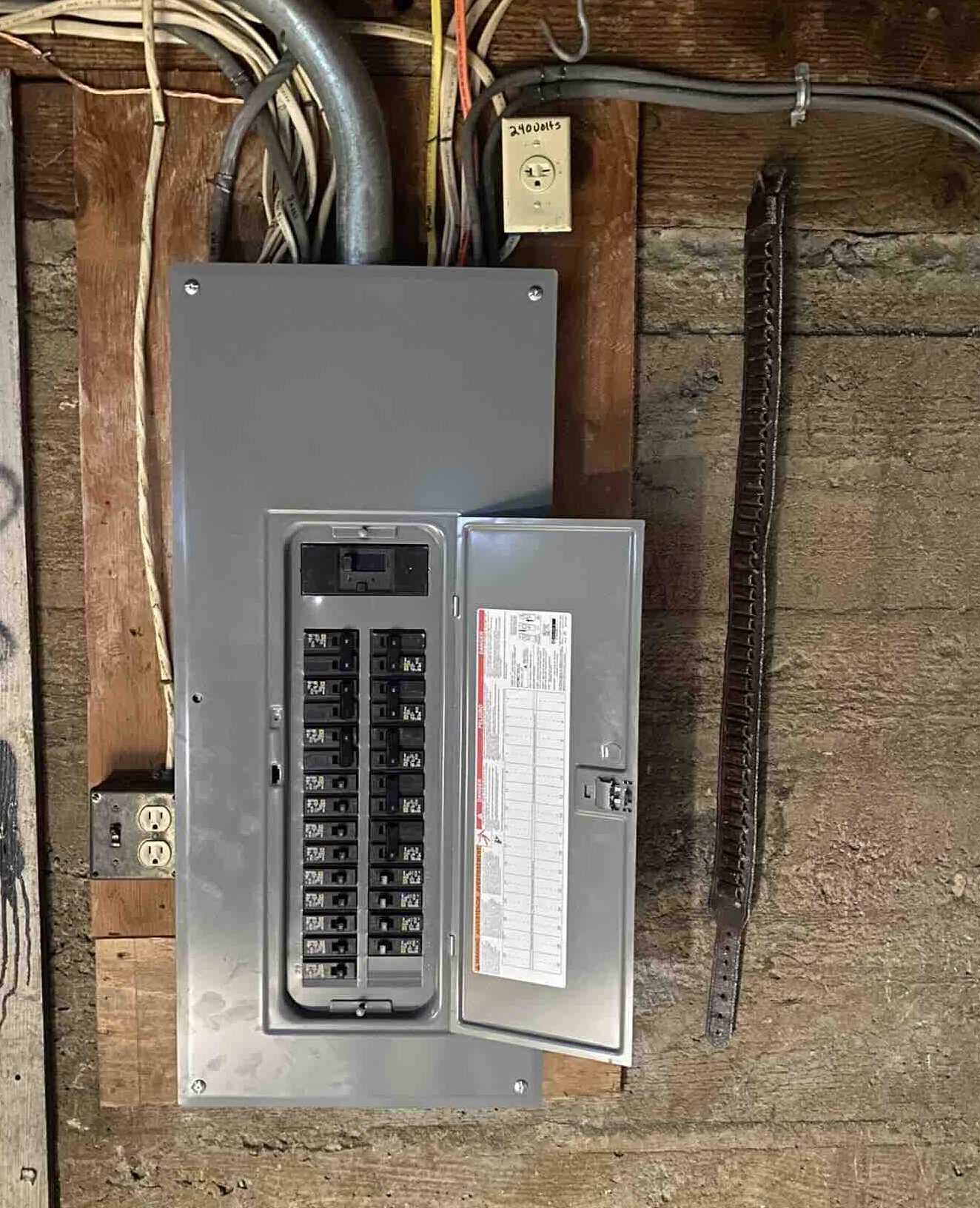
Failing Circuit Breakers
Being able to recognize the signs of a failing circuit breaker can make all the difference when it comes to protecting your home (especially given that they are one of the most important components of your electrical system).
These signs can include:
- Dust or discoloration on components – The thicker the dust, the bigger the problem
- Frequent tripping – Can also indicate that you need to upgrade your breakers
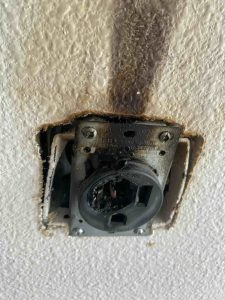
- Burning smell or scorch marks
- Breakers that won’t stay reset
- Hot or warm electrical panel
- Flickering or dimming lights
- Unusual sounds – Different noises indicate different issues:
- Buzzing – loose connections
- Hissing – arcing
- Crackling or sizzling – intermittent or severe arcing
- Visible physical damage
- Breaker age or outdated panels
- Appliances randomly losing power
- Visible arcing, sparking, or carbon deposits on contacts
Electrical Short Circuits
Short circuits are some of the most common electrical hazards in homes.
Common causes of electrical short circuits may include:
- Faulty or damaged wiring
- Loose electrical connections
- Faulty appliances or devices
- Moisture and water exposure
- Overloaded circuits
- Foreign objects in outlets
They can lead to:
- Power cuts
- Damaged devices
- Fires
- Electric shocks or injury
Electrical Power Surges
A surge of power in your electrical system can be sudden and devastating if your home isn’t fully protected.
Some of the most common causes of electrical power surges include:
- Lightning strikes
- Faulty or outdated wiring
- High-powered electrical devices:
- Air conditioners
- Refrigerators
- Washing machines
- Overloaded circuits
- Utility company issues
- Short circuits and ground faults
- Power outages and restorations
You can protect your home from power surges with the right equipment:
- Whole-home surge protectors
- Surge protector outlets
- Upgraded wiring and panels
Aluminum Electrical Wiring
Aluminum wiring can be dangerous. Its connections are often loose due to how easily aluminum expands and contracts, and it is also vulnerable to oxidation when exposed to air or moisture – which can lead to arcing or overheating.
Keep an eye out for:
- Warm or discolored outlets and switches
- Flickering lights
- Frequent breaker trips
- A burning smell near outlets
- Buzzing or crackling sounds
If you do have aluminum wiring in your home, you don’t have to replace it completely. Simply having a professional – like MAS Pro – replace the main connections with copper using special components is often enough to eliminate most of the danger.
Water Near Electrical Wiring
Water and electricity do not mix because when they do, they can cause:
- Electric shock
- Short circuits
- Fire hazards
- Electricity to spread unpredictably
- Surfaces and objects can become energized
The combination is one of the most common electrical hazards in homes, simply because they often share spaces like the bathroom and kitchen.
It’s good practice to:
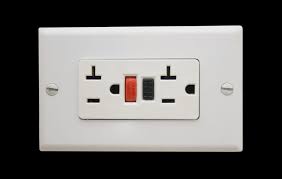
- Install Ground Fault Circuit Interrupter (GFCI) outlets.
- Keep electrical devices dry.
- Use outdoor-rated equipment when you’re outside.
- Address leaks immediately.
- Schedule regular electrical inspections.
DIY Electrical Work
Homeowners who attempt electrical work without proper knowledge or training can be one of the most common electrical hazards in homes. While it can seem cost-effective, a seemingly small mistake could have devastating consequences.
Common risks may include:
- Increased chance of fire hazards from:
- Incorrect wiring connections
- Overloading circuits
- Improper grounding
- Using the wrong materials or components
- Code violations
- Damage to appliances or wiring
- Personal injury or electrocution
For the sake of your safety, always contact a professional to deal with complex electrical work.
Having the right team to help you protect your home is one of the most important decisions you can make – MAS Pro is prepared to be that team. Contact us today, and we’ll send someone down to inspect your electrical system and guide you on the best way to protect yourself from potential danger.