Skip to content

Electricity will always take the path of least resistance rather than follow the intended circuit. The result is electrical short circuits, one of the most common – and potentially dangerous – problems in a home’s electrical system.
It’s important to understand short circuits and what causes them if you want to protect your home.
Common Causes of Electrical Short Circuits
- Faulty or damaged wiring – One of the leading causes of electrical short circuits. Wires deteriorate over time, and once their conductive materials are exposed, they can encounter materials they shouldn’t. This usually includes other wires or conductive surfaces. There are a few things that may damage your wiring:
- Heat and aging
- Physical damage
- Pest activity (especially rodents)
- Loose electrical connections – Create gaps where electricity jumps between conductors. Usually the result of:
- Poor installation
- Vibrations over time
- Worn terminals
- Faulty appliances or devices – These can develop faults inside and trigger a short circuit once they’re plugged in. These faults usually result from:
- Damaged power cords
- Internal wiring failures
- Aging or defective appliances
- Moisture and water exposure – Water can create highly conductive paths between wires and terminals that aren’t supposed to touch. Wiring most often encounters water due to:
- Leaks in walls or ceilings
- High-humidity areas – bathrooms or kitchens
- Placing the outlet outdoors – exposed to rain.
- Overloaded circuits – Too many devices operating on a single circuit can strain your electrical system. Often results in:
- Excessive power demand
- Overheating wires
- Melting insulation
- Foreign objects in outlets – Create an unintended conductive path. Usually the result of:
- Metal objects inserted into outlets
- Screws or nails piercing hidden wiring
Potential Effects of Electrical Short Circuits
- Power cuts – The safety response that prevents your electrical system from overheating. This is usually a warning of what’s going on behind the scenes.
- Damaged devices – Sensitive electronics may never recover from a short circuit.
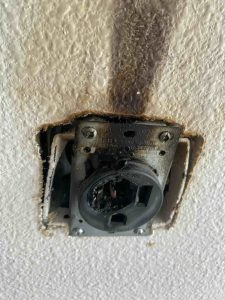
- Fires – The result of intense heat, sparks, and even flames that can be caused by faulty wiring.
- Electric shocks or injury – It’s not uncommon for malfunctioning devices to injure anyone who comes into contact with them.
How to Protect Your Home from Electrical Short Circuits
- Schedule annual electrical inspections so that you can identify potential hazards – hidden faults, aging systems, or overloaded panels – before they can cause harm.
- Replace outdated or damaged wiring.
- Avoid overloading outlets and circuits.
- Keep water away from electrical systems.
- Upgrade old panels and breakers.
If you’re experiencing signs of a potential short circuit – or you just want to schedule an inspection – contact the MAS Pro team, and we’ll send someone out to evaluate your setup and guide you through the best ways to keep your home safe long-term.