Skip to content
Water and electricity do not mix because they can cause serious injuries, electrical damage, and even fires.
Why Water and Electricity Do Not Mix
When a live wire makes contact with water, you should avoid it at all costs. While water on its own is not a particularly conductive material, impurities and chemicals within it change that.
When water and electricity mix, they can cause:
- Electric shock
- Short circuits
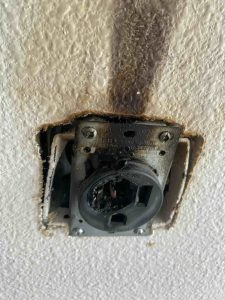
- Fire hazards
- Electricity to spread unpredictably
- Surfaces and objects can become energized
Common Areas Where Water and Electricity May Meet in Your Home
- Bathrooms – Particularly high-risk areas because of the presence of electrical outlets. Potential issues include:
- Hairdryers and straighteners near sinks
- Having wet hands while using electrical devices
- Kitchens – A common danger zone. Potential problems include:
- Your toaster or kettle being positioned near your sink
- Wet countertops near plugged-in devices
- Spills near outlets
- Outdoor areas – Rain can quickly turn a once-safe setup hazardous. Your outdoor areas become dangerous when:
- Electrical devices aren’t sealed properlyExtension cords are used in wet conditionsPool equipment and lighting is poorly installed
- Power tools are used in damp environments
- Flooding or leaks – Can be extremely dangerous – especially when electricity is involved. If water has reached your electrical system, avoid it at all costs and contact a professional immediately. If the damage has already been done, you’ll need to reach out to professional restoration service provider like Dryco.
How to Stay Safe Around Water and Electricity
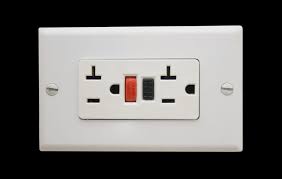
- Install Ground Fault Circuit Interrupter (GFCI) outlets:
- Specifically designed to operate in areas where water and electricity may mix
- Shut off power as soon as they detect an electrical imbalance
- Keep electrical devices dry – the easiest way to ensure water and electricity do not mix:
- Keep cords away from sinks and tubs
- Don’t use appliances with wet hands
- Ensure surfaces are dry before you plug anything in
- Use outdoor-rated equipment when you’re outside:
- Weatherproof outlets
- Outdoor extension cords
- Properly sealed fixtures
- Address leaks immediately.
- Schedule electrical inspections.
If your home has experienced water exposure – or you’re concerned about electrical safety in high-moisture areas – contact MAS Pro today. We’ll send a team out to inspect your electrical system and ensure your home is safe and up to code.