Skip to content
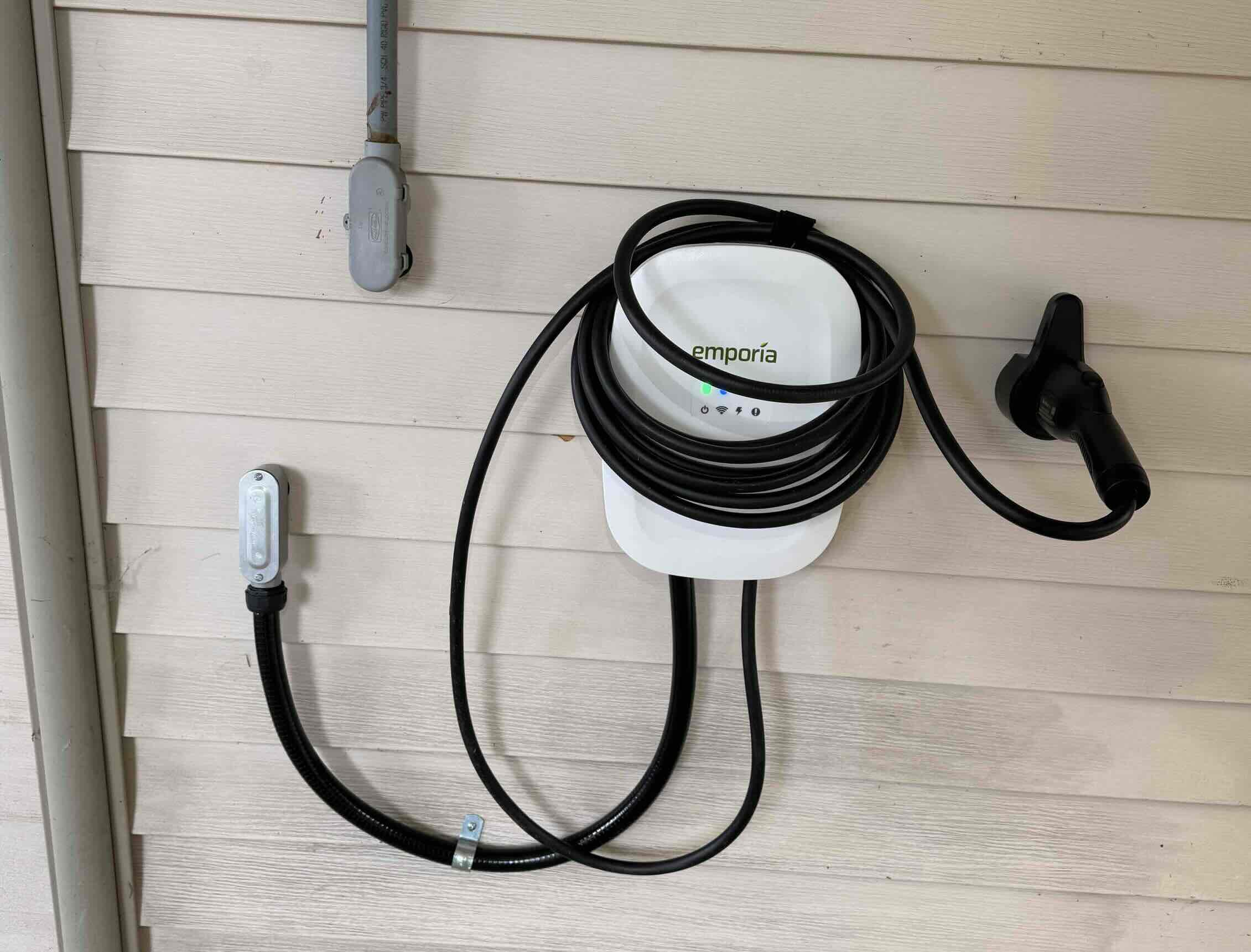
Clark County has become very EV-friendly in recent years and has been upgrading its infrastructure to meet its 2050 electrification goals. It’s one of the best places to live if you’re planning to switch to an electric vehicle, but there are a few things you need to keep in mind before you do so.
Will Your Home and Electrical Grid Have the Capacity for an EV Charger?
Two of your biggest concerns when looking into installing an EV charger should be:
- The capacity of your electrical panel: Without the proper amperage, your charger won’t receive enough power, meaning it’ll take far longer than it should to charge your EV. If you live in a newer home, you shouldn’t have to worry about how power-hungry your charger may be, as most of them are equipped with a 200-amp electrical panel – enough for the most powerful Level 2 chargers or an even additional charger. If, however, you live in an older home, you need to take a little extra care when considering your choice of EV charger, as you may only be able to run one that can operate on 60- to 100-amp panels, and you’ll want to make sure that it can run at the same time as other power-hungry devices. If your electrical panel isn’t meeting your needs, then it’s probably time for an upgrade.
- The capacity of your electrical grid: The electrical grid in some cities can’t handle the load of multiple EV chargers in multiple homes. Fortunately for those who live in Clark County, with all the infrastructure upgrades, that shouldn’t be an issue.
Local Codes and Permits
Failing to get hold of a permit or ensure your home is up to code can cause a lot of issues, so here are some things you need to be aware of if you’re planning to install an EV charger in your home:
- Permits are necessary if:
- You’re making structural changes to your home to better accommodate your charger.
- You’re planning to install a hardwired or plug-in Level 2 charger – the former requires a direct connection to your electrical system, while the latter needs a dedicated 240V circuit.
- You’re upgrading your electrical panel.
- Permits protect you from:
- Potentially voiding your insurance coverage
- Fines and red-tagging that could bring the installation to a halt
- Expensive repairs following an in-depth inspection
- Resale issues
- Safety issues
- Codes you need to keep in mind:
- NEC 625.40 – Level 2 EV chargers require a dedicated branch circuit that serves no other outlets.
- A licensed electrician must perform the load calculation provided by NEC Article 220 on your electrical panel to ensure it can support an EV charger (MAS Pro has a team waiting and ready to help).
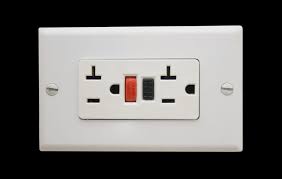
- GFCI (Ground Fault Circuit Interrupter) protection is required on 240V circuits to prevent shocks.
- 6 AWG copper wire is usually required for 50-amp circuits.
- NEC 625.50 – Indoor vs outdoor casing mounting heights:
- Indoor: at least 18 inches above the ground
- Outdoor: at least 24 inches above the ground
- Outdoor units must have a rating of NEMA 3R or higher.
What Other Factors Affect the Cost of Installing an EV Charger?
There are several factors that can influence the price of an EV charger installation in Clark County:
- The capacity of your charging station – Chargers with a higher output usually cost more because they will charge your EV faster. They require a dedicated circuit and the expertise of an electrician to install.
- The electrical infrastructure of your home – Before you can install an EV charger, you need to consider:
- The capacity of your panel and potential upgrades (as mentioned above) – Not only do your panel need sufficient amperage to match your intended EV charger, but if you’re installing a hardwired charger, you need to make sure you have two empty slots available for your charger, or you’ll need to install a subpanel.
- The location of your electrical panel – This will determine the complexity of the route your cables will need to take to reach the intended spot for your EV charger.
- Rebates – Unlike other factors, rebates bring the cost of an EV charger down. They’re offered as part of Clark Public Utilities’ attempts to incentivize residents to purchase EVs. You may receive a:
- $100 to $500 rebate if you purchase and install a Level 2 EV charger in your home
- $2,000 rebate if you have a low income and purchase an EV that costs less than $20,000 and is registered in the county
- Even higher rebate if you purchase and install an ENERGY STAR-certified charger with smart features.
If you need professional help with your EV charger installation in Clark County, look no further than MAS Pro. One call, and we’ll have a team ready to provide an inspection, give an estimate, and work with you to provide the best service possible.