Skip to content
Quick answer: Aluminum wiring itself is not dangerous sitting in a wall. Connections involving pre-1972 solid aluminum branch-circuit wiring were found to have fire-hazard conditions approximately 55 times more often than comparable copper connections. The two accepted fixes are pigtailing with CPSC-approved connectors or a full copper rewire.
Aluminum wiring repair is worth understanding if your home was built or rewired between the mid-1960s and the mid-1970s, the window when aluminum branch circuit wiring was widely installed as a cheaper alternative to copper during a period of high copper prices. The wiring itself is not inherently dangerous sitting in a wall. The danger shows up at the connection points, where aluminum’s tendency to expand, contract, and oxidize can loosen terminations over time and lead to overheating. If you own or are inspecting a home from that era, knowing what inspectors look for and which aluminum wiring repair option fits your situation matters more than most homeowners realize.
Why Aluminum Wiring Became a Problem
Aluminum conducts electricity well, but it behaves differently than copper at the point where it meets a switch, outlet, or splice. It oxidizes more readily, and that oxide layer is a poor conductor, which raises resistance and generates heat at electrical connections. Aluminum also expands and contracts more than copper as it heats and cools, which gradually loosens the mechanical connection at terminals over years of normal use. According to the Consumer Product Safety Commission (CPSC), connections in homes wired with the solid aluminum branch-circuit wiring used before 1972 were found to develop fire-hazard conditions about 55 times more often than comparable copper connections. This is why remediation focuses almost entirely on terminations rather than pulling wire out of the walls.
What Inspectors Flag
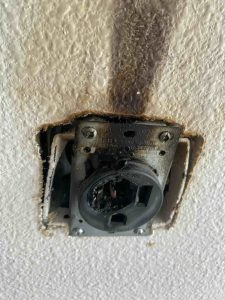
A home inspector who identifies single-strand aluminum branch-circuit wiring will typically note it in the inspection report, and most will recommend a licensed electrician evaluate the connections on heavily loaded circuits. Inspectors may note discoloration, signs of overheating or arcing, damaged devices, or evidence of amateur repairs. None of these show up reliably until a connection is already failing, which is part of why aluminum wiring gets flagged as a precaution even in homes with no visible symptoms yet.
Pigtailing vs Rewiring: The Two Real Options
Homeowners generally have two paths for aluminum wiring repair, and the right one depends on the extent of the wiring and your long-term plans for the property.
Pigtailing with CPSC-approved connectors is the only connection-repair method the CPSC recognizes as bringing aluminum-wired connections to a safety level equivalent to copper, and it addresses the actual failure point without opening walls. This method attaches a short length of copper wire to each aluminum conductor at the connection point using a listed connector, most commonly the COPALUM crimp or the AlumiConn lug. This is the option most homeowners choose because it resolves the fire risk at a fraction of the cost and disruption of a full rewire. Many insurers accept properly documented CPSC-approved pigtailing as satisfactory remediation.
Full rewiring. This means removing the aluminum branch circuit wiring entirely and replacing it with copper throughout the home. It is the more comprehensive fix, but it requires opening walls and ceilings, which adds drywall and paint costs on top of the electrical work. Full rewiring makes the most sense if you’ve already opened the walls for renovation. It’s also a good option if the aluminum wiring shows physical damage or has been spliced improperly in the past, or if a home inspection reveals more extensive deterioration than pigtailing alone can safely address.
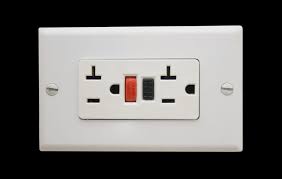
One method that is not considered a long-term fix on its own is swapping in CO/ALR rated switches and outlets. These devices are listed for direct connection to aluminum wire, but they do not address every termination point in a circuit, including junction boxes and light fixtures, so they leave part of the risk in place even after installation.
The Insurance Angle
Aluminum wiring has become a bigger underwriting issue in recent years. Many carriers now require a four-point inspection on homes over 30 years old, and an unremediated aluminum wiring finding can result in an application denial, a non-renewal notice, or a requirement to complete pigtailing before coverage is issued. If you are buying or selling a home from the aluminum-wiring era, this is worth raising early rather than discovering it during underwriting.
If You’re Buying an Older Home
Aluminum branch-circuit wiring is one of several electrical issues inspectors look for in older homes. It’s also worth checking the condition of the electrical panel, especially if it’s a her than the branch wiring, our post on Federal Pacific unit, since those panels present a separate set of concerns.
If you’re looking for trusted electricians to inspect and, if necessary, repair your wiring, MAS Pro is the team for you. Give us a call and we’ll send someone out to evaluate your home.
Frequently Asked Questions
Is aluminum wiring always dangerous?
Not automatically. The risk sits at connection points where the wire terminates, not in the wire itself. Homes with untouched, original aluminum connections carry the highest risk, while properly pigtailed or rewired homes are considered as safe as copper.
Is pigtailing or rewiring better for aluminum wiring repair?
Pigtailing with CPSC-approved connectors is the more common and cost-effective choice, and it is accepted by most insurers. Full rewiring makes more sense during a larger renovation or if the wiring shows physical damage.
Can aluminum wiring affect my homeowners insurance?
Some insurers require remediation or documentation from a licensed electrician before issuing or renewing coverage.
Sources
U.S. Consumer Product Safety Commission. Repairing Aluminum Wiring https://www.cpsc.gov/s3fs-public/516.pdf
InterNACHI. Inspecting Aluminum Wiring https://www.nachi.org/aluminum-wiring.htm
Epic Electrical. CPSC-Approved Pigtail Remediation https://epicelectrical.com/cpsc-approved-pigtail-remediation-north-texas/
Spectrum Electric. Is Your Aluminum Wiring an Insurance Risk? https://www.spectrumelectricinc.com/blog/2026/casselberry-alert-is-your-aluminum-wiring-an-insurance-risk.html