Skip to content
Quick answer: Most residential 240-volt hot tubs require a dedicated 50-amp two-pole GFCI breaker, typically use 6 AWG copper conductors, and need a disconnect located 5 to 50 feet from the tub in accordance with NEC Article 680. A permit and L&I inspection are required. Hot tub wiring cost depends mainly on distance from the panel and whether your existing panel has capacity for the new circuit.
Hot tub wiring cost depends mostly on three things: the distance from your main panel to the tub, whether your existing panel has room for a new 240-volt circuit, and whether the run is above ground or requires trenching. Most homeowners in Clark County land somewhere between a straightforward same-day hookup and a full permit-and-panel-upgrade project, and the price difference between those two scenarios is significant. Before you get a quote, it helps to understand what the electrical code actually requires, since hot tub wiring cost is driven almost entirely by code compliance, not the tub itself.
What NEC Article 680 Requires for Hot Tub Wiring
Every hot tub electrical installation in the United States falls under NEC Article 680, the section of the National Electrical Code that governs pools, spas, hot tubs, fountains, and similar installations. The rules exist because water and electricity are a dangerous combination, and the code is designed to minimize the risk of electric shock throughout the installation.
The core requirements are consistent across most residential installations. Most 240-volt hot tubs require a dedicated two-pole GFCI breaker, typically rated at 50 amps, though some larger models with multiple pumps need 60 amps. A typical 50-amp spa circuit uses 6 AWG copper conductors in a four-wire configuration: two ungrounded (hot) conductors, a neutral, and an equipment grounding conductor, although the final conductor size must match the spa manufacturer’s installation instructions and equipment listing. NEC Article 680 also requires equipotential bonding of metal parts associated with the spa, typically using a solid 8 AWG copper bonding conductor, to reduce voltage differences around the tub and minimize the risk of electric shock.
The disconnect switch must be within sight of the spa and located at least 5 feet, but not more than 50 feet, from the inside wall of the hot tub so it is readily accessible in an emergency while remaining a safe distance from the water.
What Drives Hot Tub Wiring Cost
Once code requirements are met, hot tub wiring cost is mostly a function of distance and access. A tub installed near the main panel with a straightforward conduit run costs far less than one on the far side of the property that requires trenching under a patio or through landscaping. If your panel is already at or near capacity, adding a subpanel or upgrading the service becomes part of the job, which is a separate cost on top of the spa circuit itself. Permit fees, GFCI breaker or spa panel hardware, and labor hours for a licensed electrician round out the rest.
Rather than quote a specific price here, the honest answer is that hot tub wiring cost varies enough by site conditions that a firm number only comes from an on-site estimate. What you can control ahead of time is making sure your existing panel has available capacity, since that single factor often determines whether the job is a half-day installation or a multi-day project involving a panel upgrade.
Do You Need a Permit for a Hot Tub in Washington?
Yes. In Washington, all new or altered electrical work, including a dedicated hot tub circuit, requires a permit and inspection through the Washington State Department of Labor & Industries, unless your city has its own inspection jurisdiction. A licensed electrician pulls the permit as part of the job and schedules the required inspection before the circuit can be energized. Skipping this step is not a shortcut worth taking. Unpermitted 240-volt work is exactly the kind of installation that surfaces during a home sale or an insurance claim, and it puts the homeowner, not the installer, on the hook if something goes wrong.
Panel Capacity Is the Hidden Variable
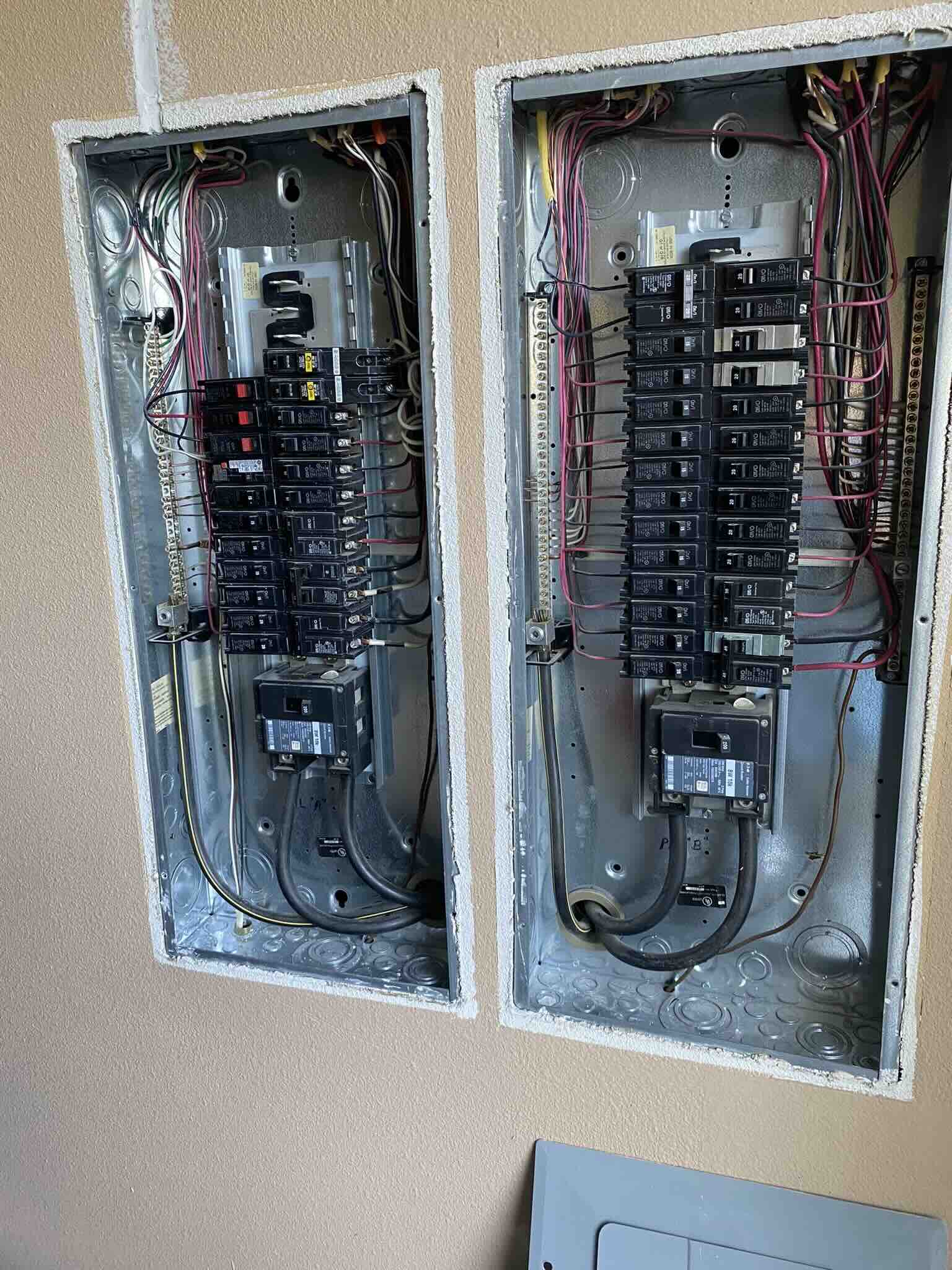
The most common surprise in a hot tub electrical requirements consultation is discovering the existing panel does not have room for a new 50-amp double-pole breaker. Older 100-amp panels, or panels already carrying a heat pump, EV charger, and electric range, often need a capacity review before a spa circuit can be added safely. If that is the case, a panel upgrade becomes a prerequisite to the hot tub install, not an optional add-on. It is worth having this checked before you buy a tub, not after it is sitting in your driveway.
Why the Sauna Comparison Holds Up
If you’re planning multiple backyard upgrades, it makes sense to think about the electrical requirements before construction begins. Hot tubs, saunas, outdoor kitchens, and similar additions often require dedicated circuits and may affect your home’s electrical capacity. Planning ahead can help avoid unexpected panel upgrades or costly changes later in the project.
When you’re ready to install a hot tub, MAS Pro can help evaluate your existing electrical service, install the dedicated circuit, and handle the required permits, depending on the scope of your project. Contact MAS Pro today to schedule an estimate and make sure your hot tub is installed safely, professionally, and in full compliance with NEC Article 680.
Frequently Asked Questions
What size breaker does a hot tub need?
Most residential hot tubs need a dedicated 240-volt, two-pole GFCI breaker rated at 50 amps. Larger models with multiple pumps sometimes require 60 amps. Always confirm against the nameplate rating on your specific tub.
Do I need a permit for a hot tub in Washington?
Yes. Any new 240-volt circuit requires a permit and inspection through Washington State L&I or your local jurisdiction before it can be legally energized.
How far can the disconnect be from the hot tub?
The disconnect must be within sight of the tub and located between 5 and 50 feet from the inside wall, in accordance with NEC Article 680.
Sources
ExpertCE. How to Wire a Hot Tub https://expertce.com/learn-articles/how-to-wire-a-hot-tub/
Nassau National Cable. Explaining NEC Article 680 on Pools, Spas, and Water-Based Installations https://nassaunationalcable.com/blogs/blog/explaining-nec-article-680-on-pools-spas-and-water-based-installations
OneHotTub. Hot Tub Wiring: How To https://onehottub.com/hot-tub-wiring/
Washington State L&I. Electrical Permits, Fees, and Inspections https://www.lni.wa.gov/licensing-permits/electrical/electrical-permits-fees-and-inspections/purchase-permits-request-inspections