Skip to content
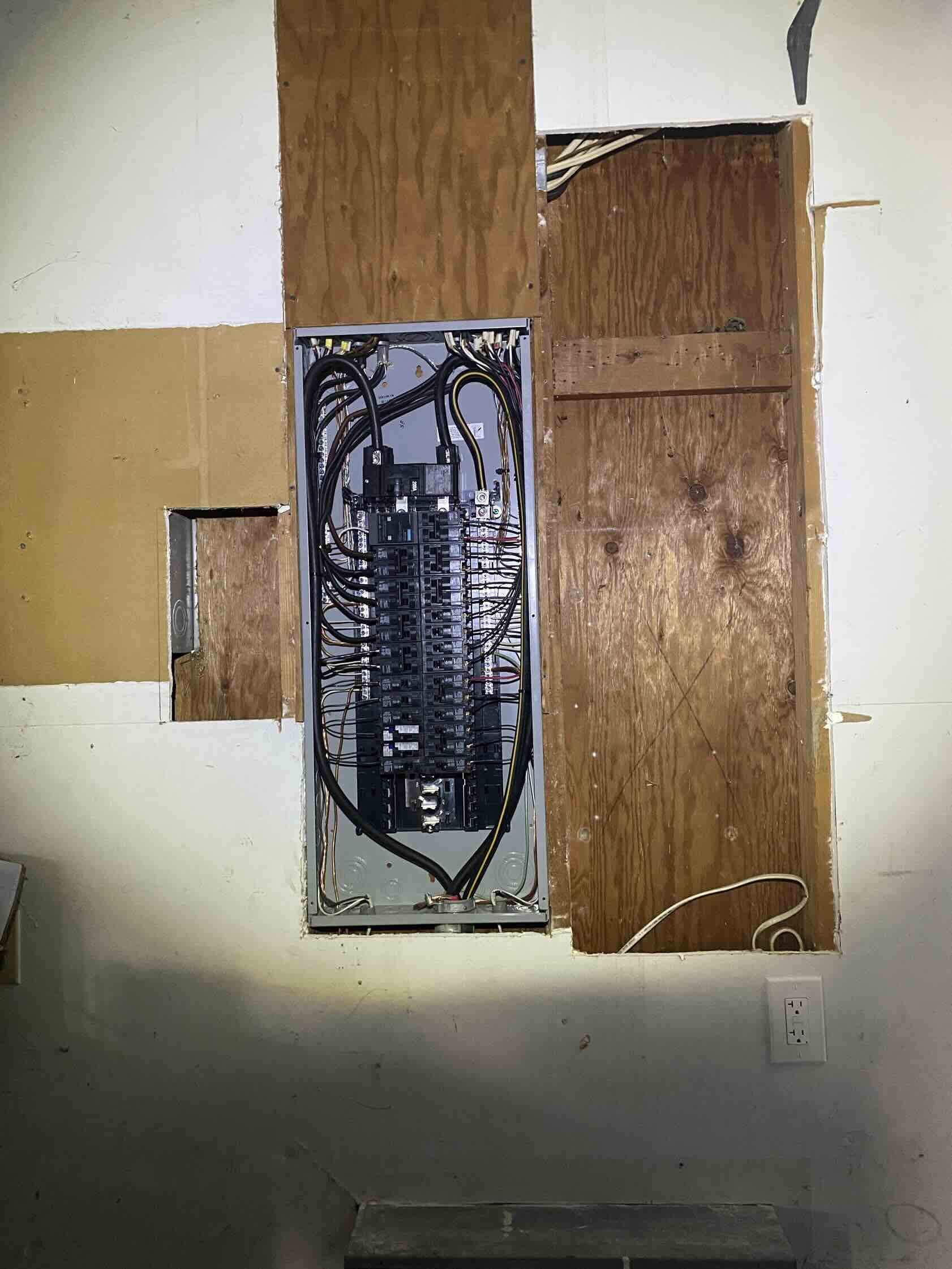
Quick answer: Repair usually works when the problem is one bad breaker or a loose connection in an otherwise modern panel. Replacement is the right call when the panel is decades old, still uses fuses, shows physical signs like a burning smell or scorch marks, or cannot support your home’s current electrical load.
Electrical panel repair vs replacement comes down to one question: is the problem isolated to a single component, or does it point to the panel as a whole? A loose breaker, a corroded connection, or one circuit that keeps tripping can often be fixed without touching the rest of the panel. But a panel that is decades old, uses fuses instead of breakers, runs hot to the touch, or simply cannot support the loads your home places on it is a different problem, and no amount of individual repair solves it. Knowing which situation you are in before you call an electrician saves both time and money.
When Repair Makes Sense
Repair is usually the right call when the issue is limited to one part of the system. A single breaker that will not stay reset, a loose connection causing a buzzing sound, or minor surface corrosion after a resolved moisture issue can typically be addressed without a full panel swap. If your panel is relatively new, meets current electrical code, and the rest of the system is functioning normally, an electrician can usually isolate and fix the specific fault. Individual breaker replacement is a contained job with a predictable cost, and it is the more sensible option when the panel itself is otherwise sound. This is often the simplest side of the electrical panel repair vs replacement decision, since a contained fault on a healthy panel rarely needs anything more.
Signs Your Panel Needs Replacing, Not Repairing
Certain signs point to the need for full replacement. Many electrical panels remain serviceable for several decades, but panels that are 25 to 40 years old are more likely to warrant evaluation for replacement, particularly if they show signs of wear or no longer meet the home’s electrical needs. A panel that still uses screw-in fuses instead of breakers is a clear sign of an outdated electrical system. So is a main breaker that trips repeatedly under normal household loads, since that often indicates the panel cannot keep up with modern electrical demand, although it can also be the result of a failing circuit breaker or another electrical fault.
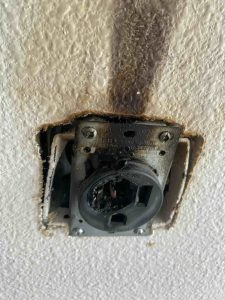
Physical warning signs matter even more. A burning smell, warmth on the panel’s metal front, scorch marks, or a buzzing or crackling noise are not issues to schedule around. These may indicate dangerous overheating or electrical arcing and require immediate inspection. Certain panel brands, including Federal Pacific Electric and Zinsco models common in homes built before the 1980s, are widely regarded by electricians and home inspectors as presenting elevated safety risks. Many professionals recommend replacing them even if they are not currently showing obvious signs of failure. You can check the electrical panel recall list to see if your panel’s brand and model are among those flagged.
Can a Breaker Box Be Repaired?
Whether a breaker box can be repaired depends on the age and overall condition of the panel. A single bad breaker in a modern, code-compliant panel is a straightforward repair. But if the panel is old enough that individual repairs are becoming frequent, replacement usually costs less over time than a string of one-off fixes. If you are calling an electrician for the same panel issue more than once in a short window, that pattern itself is a signal that repair has reached its limit.
Capacity Is a Separate Question From Condition
A panel can be in perfectly good physical condition and still be the wrong size for your home. Adding central air, an EV charger, or a hot tub often exceeds what an older 100-amp panel can safely support, even if nothing is technically broken. In that case, the conversation is not really electrical panel repair vs replacement at all; it is a capacity upgrade, and it is worth having a licensed electrician run a load calculation before you add any major new appliance.
What to Do Next
If you are seeing any of the physical warning signs described above, treat it as urgent and call a licensed electrician the same day. For everything else, a professional inspection is the only reliable way to separate a contained repair from a system that has reached the end of its safe service life. Contact MAS Pro to schedule an inspection.
Frequently Asked Questions
How do I know if I need panel repair or replacement?
If the issue is isolated to one breaker or connection and the panel is otherwise modern and code-compliant, repair is usually enough. If the panel is decades old, uses fuses, or shows physical signs like a burning smell or scorch marks, replacement is the safer path.
Can a breaker box be repaired instead of replaced?
Yes, when the fault is confined to a single breaker or connection in an otherwise sound panel. Frequent repeat repairs on the same panel usually signal it is time to replace it instead.
What are the biggest warning signs my panel needs replacing?
A burning smell, a warm panel front, scorch marks, frequent main breaker trips, and a panel that still uses fuses instead of breakers are the clearest signs replacement is overdue.
Sources
Better Builders. 7 Signs It’s Time to Replace Your Electrical Panel Box and Breaker: Home Safety Tips https://www.betterbuilders.com/blog/7-signs-its-time-to-replace-your-electrical-panel-box-and-breaker-home-safety-tips
Gilk Services. Electrical Panel 101: When to Repair vs When to Replace https://www.gilkplumbing.com/2025/11/24/electrical-panel-101-when-to-repair-vs-when-to-replace/
Carini Home Services. Should I Repair or Replace My Electrical Panel? https://www.carinihome.com/should-i-repair-or-replace-my-electrical-panel/
Bassett Services. Should You Repair or Replace a Circuit Breaker Panel? https://bassettservices.com/should-you-repair-or-replace-a-circuit-breaker-panel/