Skip to content
The short answer
Most dead outlets are on a tripped GFCI, a tripped breaker, or a wall switch. If none of those bring it back, a connection has likely come loose, either in that outlet or one further up the line.
How urgent is it?
Check these in order
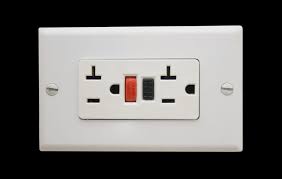
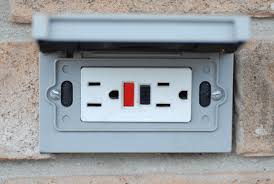
1 | Find the GFCI. One GFCI can protect several outlets, including ones in other rooms. Check bathrooms, the kitchen, the garage, outside, and the basement. Press reset firmly. |
2 | Check the panel. Look for a breaker in the middle position. Push it to OFF, then ON. |
3 | Try the wall switches. Many rooms have an outlet, or half of one, controlled by a switch. Flip every switch in the room. |
4 | Test with something you know works. A lamp is better than a phone charger, which can fail on its own. |
5 | Check nearby outlets. If several in a row are dead, the loose connection is probably at the last working outlet before them. |
Call an electrician if
| Nothing above brings it back. |
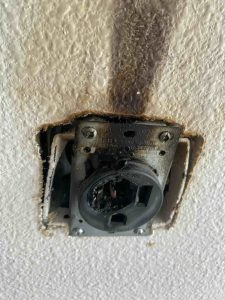
| The outlet is warm, discolored, or loose in the wall, or plugs fall out easily. |
| Outlets work sometimes and quit other times. Intermittent power means a loose connection that can overheat. |
24/7 emergency calls across Clark and Cowlitz County
See electrical repair servicesQuick answers
Why did my outlet stop working but the breaker isn’t tripped?
Check for a tripped GFCI elsewhere in the house first. If there isn’t one, a wire has likely loosened at that outlet or an upstream one. That’s common with ‘backstab’ connections on older outlets.
Can I replace a dead outlet myself?
If you’re comfortable turning off the breaker and testing for power, a like-for-like swap is doable. If the wiring looks scorched, aluminum, or confusing, stop and call.