Skip to content
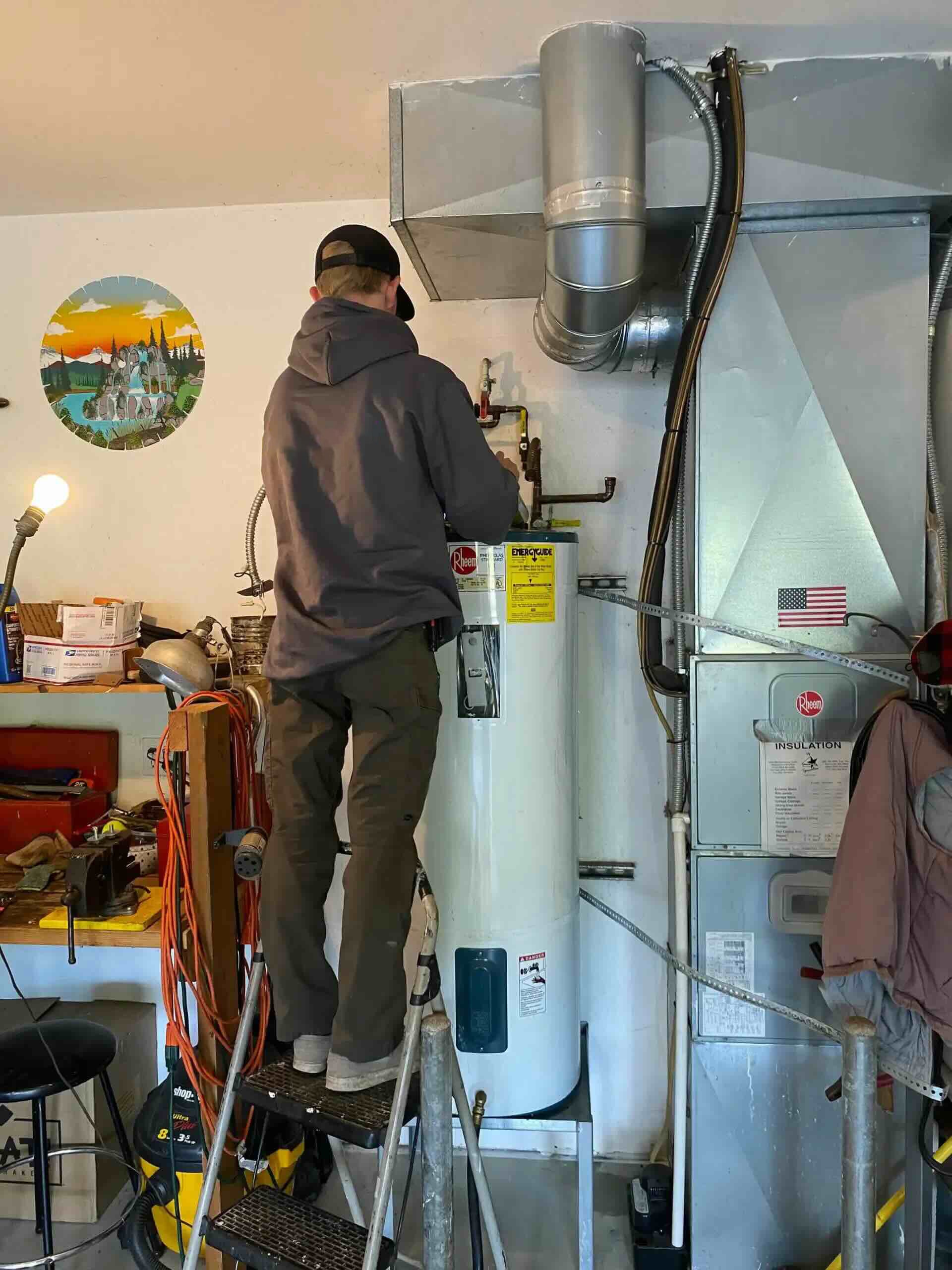
A failing water heater rarely quits without warning. Knowing the signs your water heater is going out is water heater 101. It means you can plan a repair or replacement on your schedule rather than after the surprise of a cold shower. Below are the ten most common warning signs, the failing component behind each, safe steps you can take yourself, typical repair costs, and a clear framework for deciding whether to repair or replace.
The 10 Warning Signs and What Causes Each
Water heaters are simple machines, but a handful of internal parts do all the work. On a gas unit, a thermocouple and gas control valve manage the burner; on an electric unit, one or two heating elements and thermostats do the heating. On both, a sacrificial anode rod protects the tank from rust, a dip tube carries cold water to the bottom, and a temperature-and-pressure (T&P) relief valve keeps pressure safe. When one of these fails, it produces a recognizable symptom, and identifying the symptom is half the diagnosis.
Some signs a water heater is going out are obvious, like a puddle on the floor. Others build slowly, like rising energy bills. Here are the warning signs to watch for and what they usually mean:
- No hot water at all: On a gas unit this is usually the pilot light or a failed thermocouple. On an electric unit it is often a tripped breaker, a burned-out upper heating element, or a faulty thermostat.
- Water that runs out quickly: Sediment is occupying space that once held hot water, or a cracked dip tube is directing cold water straight into the hot outlet.
- Lukewarm water: On electric units, a failed lower heating element or thermostat. On gas, a burner that is not firing fully, often due to a partially clogged burner or a weak gas valve.
- Rusty or discolored water: A depleted anode rod may allow corrosion to begin inside the tank. Once the steel tank rusts through, replacement is the only permanent solution.
- Popping, rumbling, or knocking noises: Hardened sediment on the tank bottom traps water that then boils, producing the noise. This is common with hard water and indicates the tank is working harder than it should.
- Water pooling around the base: A leak from the tank body is almost always terminal. Shut off the water and the power or gas, and call a professional. A leak from a fitting or the T&P valve, however, may be a straightforward repair.
- Cloudy or metallic-smelling water: Cloudiness can result from sediment or tiny air bubbles, while metallic odors may indicate corrosion. A reaction between certain anode rods and naturally occurring bacteria can also produce a rotten-egg smell.
- Rising energy bills: An aging or sediment-filled unit consumes more energy to deliver the same hot water. A sudden increase with no change in habits often points to the water heater.
- The reset button keeps tripping: On electric units this high-limit safety switch trips when water overheats, usually from a failing element, a stuck thermostat, or a worn switch. Repeated tripping warrants a professional evaluation.
- The unit is 10 or more years old: Age alone is a reason to begin planning. A standard tank averages 8 to 12 years, so a decade-old unit showing any other symptom is a strong candidate for replacement.
Safe Troubleshooting Before You Call
Not every one of these signs a water heater is going out requires a service call right away. A few problems have simple, safe checks a homeowner can perform. Try these first, and stop immediately if you smell gas, see scorching, or find water at the base of the tank.
- Electric, no hot water: check the breaker in your panel, then press the red reset button on the upper thermostat behind the access panel. If it trips again, stop and call a professional.
- Gas, no hot water: confirm the gas supply valve is open, then relight the pilot following the exact instructions on the unit’s label. If it will not stay lit, the thermocouple is the usual cause.
- Not hot enough: confirm the thermostat is set near 120 degrees, as someone may have turned it down.
- Noisy tank: a full flush to clear sediment often quiets the popping and buys time, though heavy buildup may require professional descaling.
If the reset trips again, you smell gas, or you see water at the base, stop and contact us for water heater repair. Several of these are safety concerns rather than do-it-yourself projects.
What Common Repairs Cost
Not every symptom means replacement. Many are single-part repairs that cost far less than a new unit. The ranges below are typical for our area and include labor; your final quote depends on the part, the brand, and access.
| Repair | Typical cost range | Usually addresses |
|---|---|---|
| Thermocouple (gas) | $150 to $300 | Pilot that will not stay lit, no hot water |
| Heating element (electric) | $200 to $400 | No hot water or lukewarm water |
| Thermostat | $150 to $300 | Water too hot, too cold, or inconsistent |
| Anode rod | $200 to $350 | Rusty water, odor, tank protection |
| T&P relief valve | $150 to $350 | Leaking or dripping safety valve |
| Gas control valve | $300 to $600 | Burner not firing, no hot water |
| Tank flush and descale | $100 to $250 | Popping noise, reduced efficiency |
Table 1. Typical water heater repair costs including labor. Ranges are approximate; request a firm quote before work begins.
Repair or Replace? A Simple Decision Guide
Once you know the cause, the decision usually comes down to age, the cost of the fix, and whether the tank itself is compromised.
| Situation | Recommended action | Reason |
|---|---|---|
| Under 8 years, single failed part | Repair | Affordable fix, plenty of life remaining |
| 8 to 12 years, minor issue | Repair or plan replacement | Weigh repair cost against remaining life |
| Over 12 years, any major issue | Replace | Near end of life; repairs will accumulate |
| Tank is leaking from the body | Replace | The steel tank cannot be safely repaired |
| Repair costs over half a new unit | Replace | The fifty-percent guideline favors replacement |
| Frequent repairs within one year | Replace | Funds are better invested in a new unit |
| You want lower bills and a rebate | Replace with heat pump | Efficiency plus a local utility rebate |
Table 2. When repair is the better choice, and when it is not.
Two guidelines that professionals rely on are the fifty-percent rule, which favors replacement when a repair costs more than half the price of a new unit, and the three-quarter-life rule, which favors replacement once a unit passes three-quarters of its expected lifespan. Applied together, they make the decision clear in most cases.
Spotting the early signs your water heater is going out gives you time to weigh repair against replacement calmly, rather than making the call in an emergency.
If you have noticed any of these issues and are unsure what to do next, our team can inspect the unit and give you a straight answer before you spend a dollar.
Schedule water heater repair or installation in Vancouver and throughout Clark County.
Frequently Asked Questions
Why is my water heater not making hot water?
The most common causes are a pilot light or thermocouple on gas units, and a tripped breaker, failed heating element, or faulty thermostat on electric units. Begin with the breaker and reset button. If basic checks do not restore heat, the part likely requires replacement, which can often be completed the same day.
Is it worth repairing a 10-year-old water heater?
It can be. A single inexpensive part such as a thermocouple or element on an otherwise sound tank is often worth fixing. However, if the tank is leaking or repairs are becoming frequent, replacement usually makes more financial sense, and a new energy-efficient unit may qualify for a local utility rebate that helps offset the cost.
Why does my reset button keep tripping?
A repeatedly tripping reset button on an electric heater usually signals a failing heating element, a stuck thermostat, or a worn high-limit switch. Because it is a safety device responding to overheating, it should be professionally diagnosed rather than repeatedly reset.
How long does a water heater take to reheat?
A typical 40- to 50-gallon tank recovers in about 30 to 60 minutes for gas and 60 to 90 minutes for electric. If yours takes considerably longer than it once did, sediment or a weakening element is the likely cause.