Skip to content
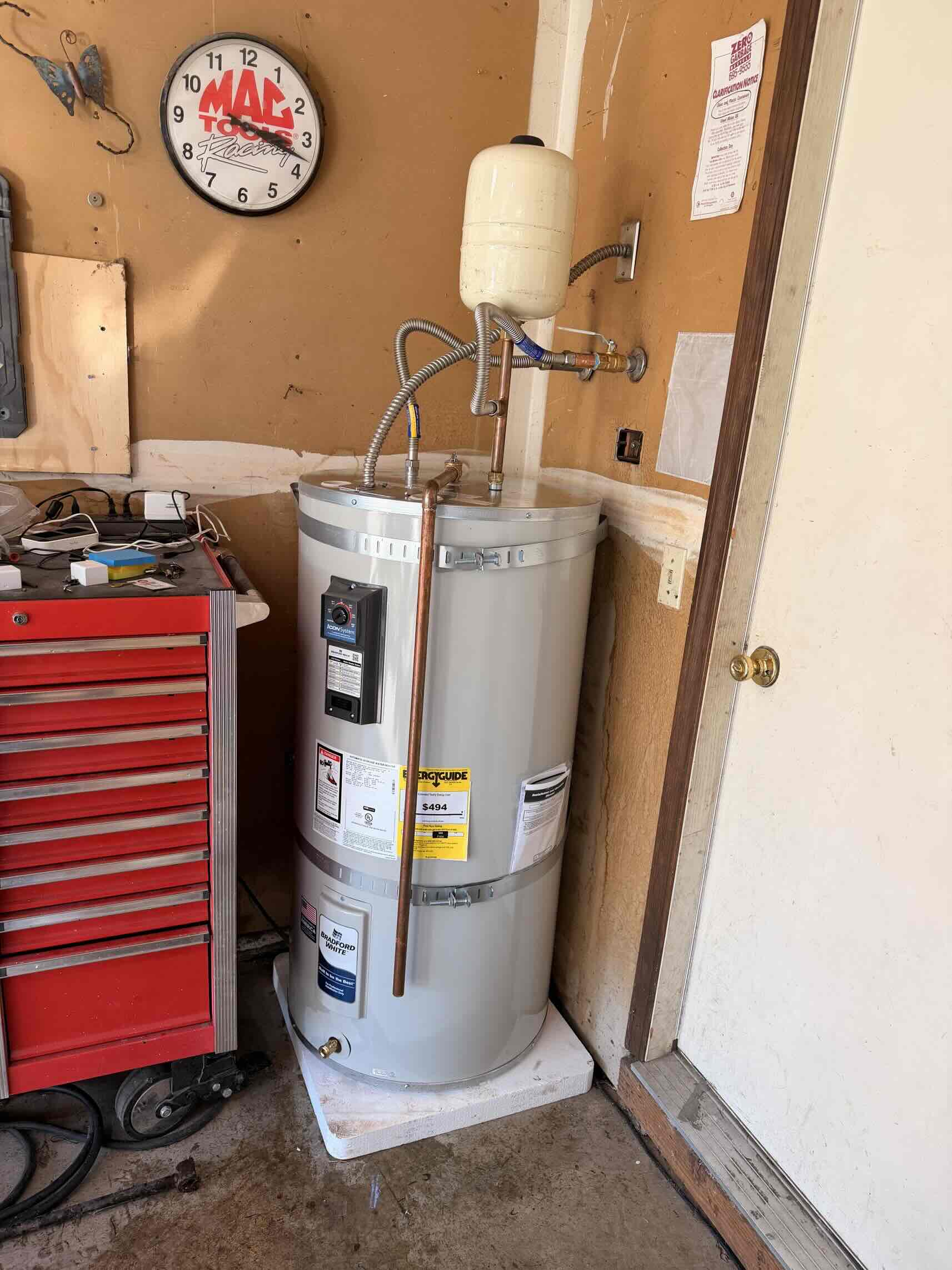
Replacing a water heater is a 10–20-year decision, so the tank vs tankless water heater question (and where a heat pump model fits in) is worth working through properly rather than just replacing what you had before. This article compares the three main options for a Pacific Northwest home, with real costs, efficiency figures, and the local factors that matter most.
How Each Type Works
Storage tank. The familiar option keeps 40 to 80 gallons of hot water ready at all times using a gas burner or electric elements. It is the simplest to install and service and the most affordable up front, but it loses a small amount of heat around the clock, known as standby heat loss, and it can run out during heavy use.
Tankless, or on-demand. A tankless unit heats water only as it flows through a heat exchanger, so you don’t have to worry about running out during normal household use and waste no standby energy. Gas models use a powerful burner; electric models draw significant amperage. They cost more up front and may require gas-line or electrical-panel upgrades, but they save space and last the longest.
Heat pump, or hybrid. Rather than generating heat directly, a heat pump water heater moves heat from the surrounding air into the water, much as a refrigerator moves heat out. This makes it remarkably efficient, using roughly 65-70% less electricity than a standard electric tank. The trade-off is that it requires a warm, roomy space with good airflow, such as a garage or utility room, rather than a tight closet.
Efficiency, Measured
Water heater efficiency is rated by Uniform Energy Factor (UEF): the higher the number, the less energy wasted. A standard electric tank sits around 0.90 to 0.95 UEF, a gas tank typically around 0.60 to 0.70, a gas tankless around 0.80 to 0.95, and a heat pump water heater typically 3.0 to 4.0, because it moves heat rather than creating it. Looking only at a tank vs tankless water heater comparison, tankless is generally more efficient on paper, but the heat pump’s UEF is in a different category entirely. This is why a heat pump sharply reduces the water-heating portion of an all-electric home’s bill, and why utilities offer the largest rebates for it.
Side-by-Side Comparison
| Factor | Storage tank | Tankless | Heat pump |
|---|---|---|---|
| Typical installed cost | $900 to $3,500 | $1,400 to $3,900+ | $2,500 to $6,000 |
| Efficiency (UEF) | 0.60 to 0.95 | 0.80 to 0.95 | 3.0 to 4.0 |
| Energy use vs electric tank | Baseline | Lower | 65 to 70% less |
| Lifespan | 8 to 12 years | 15 to 20+ years | 10 to 15 years |
| Endless hot water | No | Yes | No (tank-based) |
| Local rebate eligible | No | Rarely | Yes, up to $1,500 |
| Best suited for | Budget, simple swap | Space savings, long life | Lowest bills, rebates |
Table 1. Water heater types compared for Southwest Washington homes. Costs are general ranges; confirm with a local quote.
Operating Cost Over Time
Upfront price is only part of the picture. Because a heat pump uses far less electricity, its annual running cost is significantly lower than a standard electric tank, so the higher purchase price can pay for itself over the unit’s life and faster still once a rebate is applied. A gas tankless saves on standby loss and lasts longer, spreading its higher upfront cost across many more years than an inexpensive tank. When you run the numbers on a tank vs tankless water heater purchase, weigh the ten-year cost of ownership rather than the sticker price alone.
Pacific Northwest Considerations
- Cold incoming water in winter. Our groundwater runs cold in winter, which increases the temperature rise a tankless unit must achieve and lowers its effective flow rate. Size a tankless generously and select a model rated for cold-climate performance, or output may be noticeably weaker in January than in July.
- Heat pumps suit our climate, with a caveat. The mild Pacific Northwest climate is favorable for heat pump water heaters, and local utilities rebate them heavily. Because they draw heat from surrounding air, they belong in an adequately sized garage, basement, or utility room with airflow, not a small closet where they would run short of air.
- Electric versus gas. If your home is already electric, a heat pump is usually the strongest upgrade and unlocks the rebate. If you have natural gas, a high-efficiency gas tank or a gas tankless may suit your setup with less disruption.
- A note on refrigerants. Newer heat pump water heaters are increasingly using lower-global-warming refrigerants as manufacturers transition away from older refrigerants.
Which Should You Choose?
The tank vs tankless water heater decision, plus whether a heat pump fits your space, comes down to budget, hot water demand, and where the unit will sit.
- Choose a storage tank for the lowest upfront cost and a straightforward like-for-like replacement.
- Choose tankless if you value endless hot water, want to reclaim floor space, and plan to remain in the home long enough to recover the higher cost.
- Choose a heat pump if you are on electric, have a suitable space with airflow, and want the lowest running cost plus a local rebate of up to $1,500.
Whichever type fits your home, MAS Pro installs every option, including any electrical upgrades a heat pump water heater may require, in a single visit. Contact us today about water heater installation in Vancouver, WA.