Skip to content
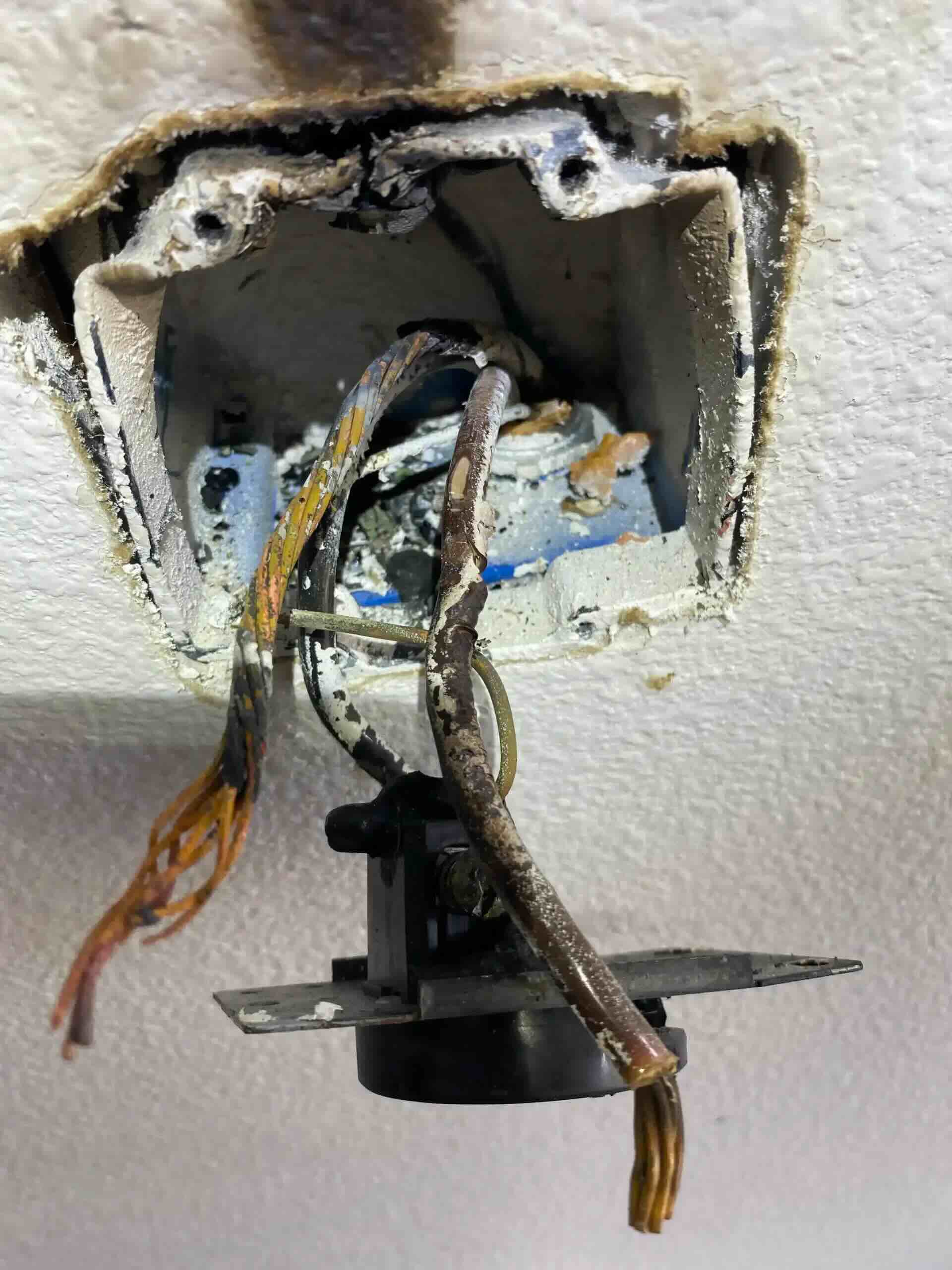
Quick answer: Unpermitted electrical work in Washington must generally be disclosed when selling, can lower appraised value, and may void an insurance claim if it caused a loss. The fix is a retroactive permit and inspection through L&I, not concealment.
Unpermitted electrical work in Washington can follow a house for decades and surface at the worst possible time: during a sale, an insurance claim, or a routine inspection. Washington law requires a permit and inspection for essentially all new or altered electrical work, whether it is done by a licensed contractor or a homeowner. When that step gets skipped, whether by a well-meaning homeowner tackling a DIY project or a handyman, the risk does not disappear. It just falls on whoever owns the home when the issue is discovered.
What Counts as Unpermitted Electrical Work
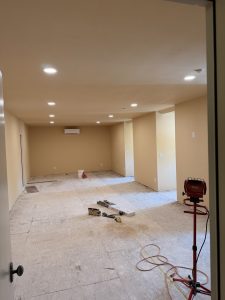
Unpermitted electrical work in Washington covers any new circuit, panel replacement, or altered wiring done without pulling the required L&I permit and passing inspection. This includes obvious cases like a finished basement wired without a permit, but it also covers smaller projects homeowners often assume do not need one, such as adding a dedicated circuit for an EV charger or hot tub, or replacing a panel without documentation. The rule of thumb in Washington is that if the work alters fixed wiring in any way, it requires a permit, even when the job looks simple on the surface.
What Unpermitted Work Costs You When You Sell
Selling a house with unpermitted work is legal in most cases, but it comes with real financial consequences. Buyers and their lenders typically want documentation that electrical systems were inspected and meet code, and unpermitted work without that paper trail becomes a negotiating point, sometimes a serious one. Appraisers may discount or decline to recognize the value of unpermitted improvements, depending on the circumstances and lender requirements. If a home inspector flags visible signs of amateur electrical work during a buyer’s inspection, it can delay closing or reopen price negotiations at a point in the process when neither side wants surprises.
There is also a disclosure obligation. Washington sellers are generally expected to disclose known unpermitted electrical work because it may constitute a material fact affecting the property’s value or desirability. Leaving it off a disclosure form because the work “looks fine” is a decision that can come back as a legal claim if the buyer discovers it after closing and can show the seller knew.
Insurance Risk Is the Part Most Homeowners Miss
Unpermitted electrical work does not just complicate a future sale, it can affect coverage today. If an electrical fire or other loss is traced back to unpermitted, uninspected work, an insurer may deny all or part of the claim, leaving the homeowner responsible for the full cost of repair or rebuilding. This risk exists whether the homeowner did the work themselves or inherited it from a previous owner, since insurance coverage is based on the condition of the home as it exists now, not on who is responsible for how it got that way.
How to Get Unpermitted Work Inspected
If you discover unpermitted electrical work in your home, the fix is a retroactive permit process, not a cover-up. Contact Washington State L&I or your local jurisdiction if it issues its own permits, and be upfront about the work you have found. An inspector will evaluate the installation against current code. Work that passes can be documented and closed out. Work that does not pass will need corrections from a licensed electrician before it can be signed off. This sometimes means opening drywall so an inspector can verify wiring that is currently hidden, which is an inconvenience, but it is a far smaller one than discovering the same issue mid-sale or after a fire.
If You Are Buying, Not Selling
If you are on the buying side, checking a property’s permit history with the local building department before closing is worth the effort, especially on older homes. Pair that with a look at the panel itself. If it is an older brand, our electrical panel recall list is a fast way to check whether it carries a known hazard on top of any permitting question. Our broader guide on what to look for in a home’s electrical system before buying covers the rest of what a pre-purchase electrical review should include.
Getting It Fixed the Right Way
Whether you are correcting old unpermitted work or starting a new electrical project, working with a licensed electrician who handles the permit and inspection process helps protect your home’s safety, value, and compliance. If you live in Southwest Washington, MAS Pro can help. Give us a call and we’ll send a team to evaluate your project.
Frequently Asked Questions
Can I sell a house with unpermitted electrical work in Washington?
Yes, but you are generally required to disclose it, and it can affect financing, appraisal value, and buyer negotiations during the sale.
Does unpermitted electrical work affect homeowners insurance?
It can. If a covered loss is traced to unpermitted, uninspected work, an insurer may deny all or part of the claim, leaving the homeowner responsible for the cost.
How do I get unpermitted electrical work inspected after the fact?
Contact Washington State L&I or your local building department to request a retroactive inspection. A licensed electrician can help bring the work up to code if it does not pass on the first review.
Sources
Washington State L&I. Electrical Permits, Fees, and Inspections https://www.lni.wa.gov/licensing-permits/electrical/electrical-permits-fees-and-inspections/purchase-permits-request-inspections
HomeLight. Selling a House With Unpermitted Work https://www.homelight.com/blog/selling-a-house-with-unpermitted-work/
Redfin. Selling a House With Unpermitted Work https://www.redfin.com/blog/selling-a-house-with-unpermitted-work/
Structure Tech Home Inspections. Q&A: Missing Electrical Permits and Consequences https://structuretech.com/qa-missing-electrical-permits-and-consequences/