Skip to content

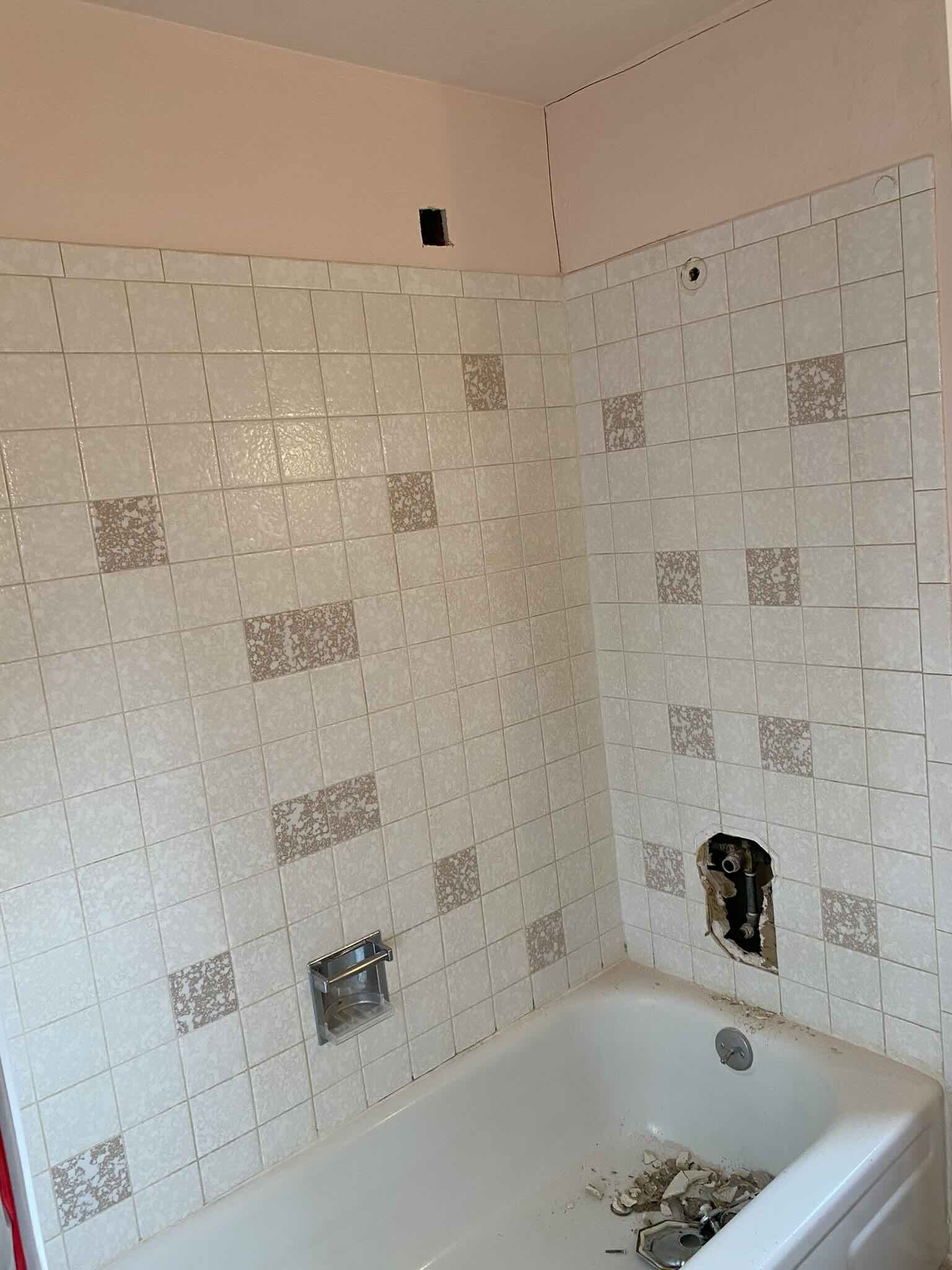
Plumbing issues never happen at convenient times. Pipes start leaking in the middle of the night, toilets overflow without warning, or maybe you notice water pooling around your water heater. These situations suck but not all of them qualify as a plumbing emergency.
You know what does?
Anything that puts your property, health, or safety at immediate risk, or a situation that might get worse if you leave it alone.
How to Determine If You’re Dealing with a Plumbing Emergency
There are three main things you need to ask yourself when deciding how urgent a plumbing issue may be:
- Can you stop the water? Water that keeps flowing after you’ve closed the nearest shut-off valve, usually point to a serious leak that needs immediate attention.
- Is there a health or safety risk? If the leak is a result of a sewage backup or there’s water near any electrical equipment, it’s time to call in the professionals.
- Will waiting make the problem worse? Certain problems, like a leaking pipe, a failed sump pump during heavy rain, or a frozen pipe in freezing weather, can quickly grow into a much bigger problem if they aren’t dealt with quickly.
Common Plumbing Emergencies
Some plumbing issues may look innocent, but they can escalate quickly, especially when water is involved.
Burst or Leaking Pipes
Damaged water lines and burst pipes can cause plenty of damage if left alone for long enough. The water gets everywhere and can soak into your floors, walls, ceilings, insulation, and personal belongings.
The worst part is, the damage can remain hidden for a while, only showing itself through growing water stains, bubbling or sagging ceiling paint, a sudden drop in water pressure, or the sound of running water when no taps or appliances are being used.
What to do: Turn off your home’s main water supply (or the local shut-off valve depending on where the leak is originating from) as quickly as you can and contact a plumber to locate and repair the damage.
If water is coming through the ceiling, keep people away from any sagging or bulging section as they may collapse.
Sewage Backups
Sewage backing up in your home isn’t just unpleasant, it’s a health hazard.
You may notice sewage coming back up through your toilet or drains in your bathtub, shower or basement. This could indicate a problem with your main sewer line.
What to do: Stop using water throughout your home. Keep children and pets away from the affected area, and avoid direct contact with the sewage. Don’t attempt to clean up extensive contamination yourself, instead call a professional plumber to investigate and determine whether the sewer line needs cleaning or further inspection.
A Leaking Water Heater
The most important concern when dealing with a leaking water heater is where the leak is coming from. The main culprits in a situation like this are usually a loose connection, a drain valve, the temperature and pressure relief valve, or the tank itself.
What to do: If the tank itself is leaking, shut down the water heater according to the manufacturer’s instructions. If you have an electric unit you may need to switch off the power at the breaker. For a gas unit, as long as you don’t smell gas you can just follow the shutdown instructions. Once that’s done, close the cold water supply valve (usually above the tank) once it’s safe to do so.
If the pressure relief valve is continuously releasing water, it could indicate excessive heat or pressure inside the tank, which needs professional attention.
If you smell gas, leave your property immediately and call your gas utility or emergency services from outside.
An Overflowing or Completely Blocked Toilet
A clogged toilet isn’t an emergency until it starts overflowing (or it’s your only toilet). A blocked toilet is usually the sign of a larger drainage problem, especially if other fixtures are affected. The problem could even go as far as the main sewer line if your bathtub and floor drains are backing up too.
What to do: Turn off the water supply via the shut-off valve behind or beside the toilet. If it’s still overflowing or the valve won’t close, call a plumber.
If you suspect the issue has to do with the main sewer line don’t flush any other toilets or run water until the problem has been thoroughly investigated.
Frozen Pipes or No Running Water
Frozen pipes are a major concern when temperatures start dropping. They can lead to cracking or splitting and you may only notice the damage when the ice thaws. Pipes in exterior walls, garages, crawl spaces, and other poorly insulated areas are especially vulnerable.
If your faucets aren’t working or are only producing a trickle, or you notice visible frost on exposed pipes, your pipes may have frozen.
What to do: Check if your neighbours are experiencing the same problem or contact your water utility. If the entire area has lost water, it’s more than likely a wider utility outage.
If you suspect a frozen pipe, keep the affected faucet open and apply gentle heating using a hair dryer or electric heating pad. NEVER use an open flame or blowtorch to thaw a pipe.
If you can’t locate the frozen section, or notice water leaking as the pipe thaws, turn off your main water supply and contact a plumber.
Don’t Wait for a Plumbing Issue to Become a Disaster
Knowing what counts as a plumbing emergency can make all the difference when things go sideways. Pay attention to the warning signs and take sensible steps to protect your property. If you’re unsure of the urgency of a plumbing issue, don’t hesitate to get in touch with an experience plumber. MAS Pro offers 24/7 emergency plumbing to folks living in areas like Ridgefield and Brush Prairie. Give us a call whenever you need help.